Piping Stress Analysis Services in the UK & USA: Ensuring Safe, Compliant, and Efficient Industrial Systems
Piping stress analysis services are a critical component of modern industrial engineering, ensuring that piping systems operate safely, efficiently, and in compliance with international standards. In both the UK and the USA, industries such as oil and gas, power generation, petrochemicals, and manufacturing rely heavily on robust piping systems. These systems must withstand a variety of stresses, including thermal expansion, pressure fluctuations, and external loads. Professional piping stress analysis services help engineers design and maintain systems that can endure these challenges without failure.
What Are Piping Stress Analysis Services?
Piping stress analysis involves evaluating the stresses, strains, and displacements within a piping system under different operating conditions. Engineers use advanced software tools to simulate real-world scenarios, ensuring that pipelines can handle factors such as temperature changes, internal pressure, and environmental forces. In the UK and USA, these services are essential for meeting strict regulatory requirements and maintaining operational safety.
The primary goal is to prevent issues such as pipe deformation, fatigue failure, and excessive vibration. By identifying potential weaknesses early in the design phase, engineers can implement solutions that enhance system reliability and longevity.
Importance of Code Compliance in the UK and USA
Compliance with industry standards is a fundamental aspect of piping stress analysis services. In the USA, engineers typically follow codes such as ASME B31.1 for power piping and ASME B31.3 for process piping. These standards provide guidelines for design, materials, fabrication, and testing. In the UK, piping systems must comply with standards such as BS EN codes and guidelines aligned with European regulations. Ensuring compliance not only guarantees safety but also helps companies avoid legal issues, project delays, and costly redesigns.
Adhering to these codes requires a deep understanding of both regional and international standards, making professional piping stress analysis services indispensable for global projects. Key Factors Considered in Piping Stress Analysis
Thermal Expansion and Contraction
One of the most significant challenges in piping design is managing thermal expansion and contraction. As temperatures fluctuate, pipes expand and contract, which can lead to excessive stress if not properly managed. Engineers use flexibility analysis to design systems that can accommodate these movements without causing damage.
Internal Pressure and External Loads
Piping systems are subjected to internal pressure from the fluids they carry, as well as external loads such as wind, seismic activity, and equipment weight. Stress analysis ensures that pipes can withstand these forces without compromising structural integrity.
Pipe Supports and Restraints
Proper placement of supports and restraints is crucial for maintaining system stability. Engineers analyze load distribution and determine the optimal locations for supports to minimize stress and prevent sagging or misalignment.
Vibration and Fatigue
Vibration caused by fluid flow or mechanical equipment can lead to fatigue failure over time. Piping stress analysis services include vibration analysis to identify potential issues and recommend solutions such as dampers or redesigns.
Advanced Tools and Technologies
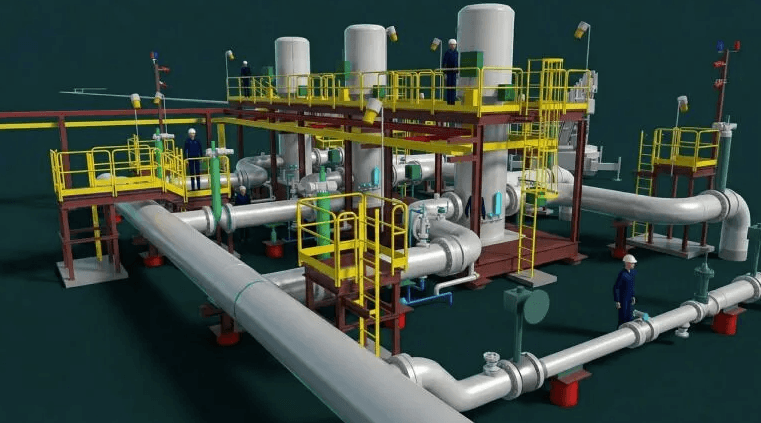
Modern piping stress analysis relies on sophisticated software tools such as CAESAR II, AutoPIPE, and ROHR2. These tools allow engineers to create detailed models of piping systems and simulate various operating conditions. In both the UK and USA, the use of such technologies has significantly improved accuracy, efficiency, and project outcomes.
Building Information Modeling (BIM) is also increasingly integrated into piping design processes, enabling better collaboration between engineers, designers, and contractors.
See also: Why Custom Web Development Matters for Business Websites
Applications Across Industries
Piping stress analysis services are used across a wide range of industries in the UK and USA:
- Oil and Gas: Ensuring safe transport of hydrocarbons under high pressure and temperature conditions.
- Power Plants: Designing piping systems for steam, water, and other fluids in thermal and nuclear power plants.
- Chemical and Petrochemical: Managing complex piping networks that handle hazardous materials.
- Manufacturing: Supporting efficient and reliable production processes.
Each industry has unique requirements, making customized analysis essential for optimal performance.
Benefits of Professional Piping Stress Analysis Services Enhanced Safety
Safety is the primary concern in any industrial operation. Proper stress analysis reduces the risk of leaks, ruptures, and catastrophic failures, protecting both personnel and the environment.
Cost Efficiency
Identifying and addressing potential issues during the design phase helps avoid expensive repairs and downtime. Efficient piping systems also reduce maintenance costs over time.
Improved System Performance
Optimized designs ensure smooth operation, minimizing energy loss and improving overall efficiency. This is particularly important in large-scale industrial facilities.
Regulatory Compliance
Meeting UK and USA standards ensures that projects pass inspections and operate within legal frameworks, reducing the risk of penalties and delays.
Challenges and Solutions
Despite its importance, piping stress analysis can be complex due to the number of variables involved. Differences in regional standards, environmental conditions, and project requirements add to the complexity. However, experienced engineering teams use a combination of advanced tools, industry knowledge, and best practices to overcome these challenges.
Outsourcing piping stress analysis services to specialized firms is a common solution, allowing companies to access expert knowledge and state-of-the-art technology without investing heavily in in-house resources.
Future Trends in Piping Stress Analysis
The field of piping stress analysis is continuously evolving. Innovations such as artificial intelligence, machine learning, and digital twins are expected to play a significant role in the future. These technologies will enable more accurate predictions, real-time monitoring, and proactive maintenance.
Sustainability is also becoming a key focus, with engineers designing systems that minimize environmental impact while maintaining high performance.
Conclusion
Piping stress analysis services are essential for ensuring the safety, reliability, and efficiency of industrial piping systems in the UK and USA. From managing thermal expansion and pressure loads to ensuring compliance with stringent codes, these services cover every aspect of piping design and operation.