A Complete Guide to Food Processing Industry Wastewater Treatment Solutions: Choosing the Right Technology
Wastewater management in the food processing industry is an essential aspect of ensuring environmental sustainability, operational efficiency, and regulatory compliance. As the demand for more eco-friendly and efficient solutions increases, businesses are turning to Food Processing Industry Wastewater Treatment Solutions guide to help navigate the complexity of wastewater management.
This guide will provide a comprehensive overview of food processing industry wastewater treatment solutions, helping businesses choose the best technology for their unique needs. Whether you’re looking to reduce costs, improve water quality, or meet environmental regulations, this guide will help you make an informed decision.
1. Understanding Wastewater in the Food Processing Industry
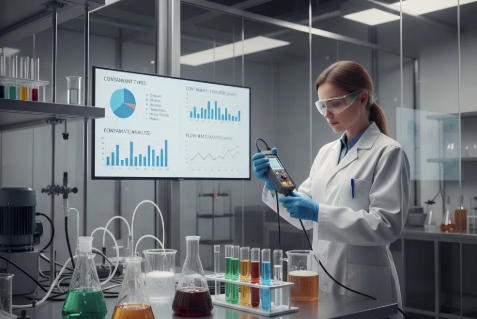
Wastewater generated in food processing facilities can be contaminated with oils, fats, chemicals, and organic material. If not properly treated, these substances can harm local ecosystems, affect water quality, and potentially lead to regulatory fines. Understanding the composition of wastewater and the specific needs of your business is the first step in selecting the right food processing industry wastewater treatment solutions.
Common contaminants in food processing wastewater:
- Organic matter: Can lead to oxygen depletion in water bodies, harming aquatic life.
- Oils and fats: These can form a layer on water, preventing oxygen from reaching aquatic organisms.
- Chemicals: Cleaning agents, preservatives, and other chemicals used in food processing can be harmful to water quality.
By understanding the composition of your wastewater, you can better assess which treatment solutions are most appropriate for your needs.
2. Types of Wastewater Treatment Solutions
There are various technologies available for treating food processing wastewater, each with its advantages and drawbacks. Choosing the right technology depends on factors such as the volume of wastewater, the types of contaminants, and regulatory requirements.
Common wastewater treatment technologies:
- Sedimentation and filtration: These basic techniques involve the physical removal of large particles from wastewater. While effective for some types of wastewater, they may not remove smaller contaminants or organic matter.
- Biological treatment: This method uses microorganisms to break down organic material in the water. It’s highly effective for food-processing wastewater but can be slower and less effective for other contaminants.
- Membrane filtration and reverse osmosis: These technologies offer highly effective filtration for removing fine particles and dissolved contaminants. They are ideal for businesses looking for high-quality treated water.
- Chemical treatment: In some cases, chemical agents are used to treat wastewater. This is effective for removing specific pollutants, but the use of chemicals can increase costs and environmental impact.
Selecting the right solution depends on your facility’s specific needs, which is why understanding your wastewater composition is crucial.
See also: Maximizing Business Success Through Digital Marketing
3. Evaluating the Cost of Wastewater Treatment Solutions
The cost of implementing food processing industry wastewater treatment solutions varies widely depending on the complexity of the system and the volume of wastewater that needs to be treated. While some technologies require a higher initial investment, they may offer long-term cost savings by improving operational efficiency and reducing environmental impact.
Factors affecting the cost:
- Upfront investment: High-tech systems like reverse osmosis or membrane filtration may require significant initial investment but can provide superior long-term savings by reducing water consumption and waste.
- Maintenance costs: Some systems, such as biological treatment, may require regular maintenance and monitoring, which adds to the ongoing operating costs.
- Energy consumption: Energy-efficient systems may have a higher upfront cost but offer long-term savings in operational expenses.
It’s important to consider both initial investment and long-term operating costs when evaluating wastewater treatment solutions for your facility.
4. Meeting Environmental Regulations and Compliance
Food processing businesses must comply with environmental regulations regarding wastewater discharge. Failing to meet regulatory standards can result in fines, legal issues, or facility shutdowns. Choosing food processing industry wastewater treatment solutions that are designed to meet or exceed local, state, and federal regulations ensures that your business stays compliant.
Key regulatory concerns:
- Effluent discharge limits: Regulations set limits for the level of contaminants that can be released into water bodies.
- Water quality standards: Some jurisdictions require that treated water meets certain quality standards before it can be reused or discharged.
- Environmental monitoring: Many systems include monitoring capabilities that track wastewater quality, making it easier to comply with regulatory reporting requirements.
By choosing systems that meet these regulatory standards, businesses can avoid penalties and continue operating smoothly.
5. Energy Efficiency and Sustainability
Energy use is a significant cost for businesses, and wastewater treatment systems are no exception. Food processing industry wastewater treatment solutions that prioritize energy efficiency can significantly reduce operational costs. These solutions are designed to minimize energy consumption while providing effective treatment.
Energy-efficient benefits:
- Low-energy systems: Technologies such as aerobic treatment or advanced filtration systems are designed to use less energy, saving costs over time.
- Waste-to-energy capabilities: Some systems convert waste into biogas or other forms of energy, which can be used to power other parts of the facility.
- Sustainable practices: Many modern systems focus on reducing their carbon footprint by using renewable energy sources or minimizing energy use.
Investing in energy-efficient wastewater treatment solutions helps businesses reduce costs and align with sustainability goals.
6. Choosing a Scalable Wastewater Treatment Solution
As your business grows, so will the volume of wastewater you generate. It’s important to choose food processing industry wastewater treatment solutions that can scale with your business, accommodating higher volumes without sacrificing efficiency or quality.
Scalability benefits:
- Flexible solutions: Many modern systems can be easily scaled to handle increasing wastewater volumes, ensuring they grow with your business.
- Modular systems: Some systems are modular, allowing businesses to add more units or upgrade components as needed.
- Long-term investment: Scalable solutions offer businesses the flexibility to expand operations without the need for a complete system overhaul.
By choosing scalable wastewater treatment solutions, businesses can ensure they are prepared for future growth while maintaining efficiency and quality.
7. Long-Term Cost Savings
While the initial investment in wastewater treatment systems can be high, the long-term savings are significant. By improving water reuse, reducing energy consumption, and minimizing waste, food processing industry wastewater treatment solutions can lead to substantial cost reductions.
Cost-saving benefits:
- Reduced water consumption: By recycling treated water, businesses can reduce their water bills and reliance on external water sources.
- Lower disposal costs: Treating wastewater on-site reduces the need for expensive third-party waste disposal services.
- Energy savings: Many systems are designed to be energy-efficient, helping businesses save on electricity costs.
In the long run, wastewater treatment solutions can provide a strong return on investment by lowering operational costs and increasing efficiency.
Conclusion: Why Food Processing Industry Wastewater Treatment Solutions Matter
In conclusion, food processing industry wastewater treatment solutions are a vital part of ensuring the sustainability, efficiency, and regulatory compliance of your food processing operations. From reducing environmental impact to cutting operational costs and improving product quality, the benefits of these solutions are clear.
By selecting the right wastewater treatment technology, businesses can improve their overall performance, contribute to sustainability efforts, and ensure they meet regulatory requirements. Investing in modern wastewater treatment solutions is a smart decision that will pay off in the long term, helping businesses operate more efficiently and sustainably.