Evaluating Intravenous Therapy Methods: Gravity vs Pump Infusion
Intravenous therapy has become an essential part of modern healthcare, allowing for the rapid delivery of fluids, medications, and nutrients directly into a patient’s bloodstream. As medical treatments become more sophisticated, healthcare providers must carefully select the most appropriate infusion method to meet clinical needs. Two common approaches are gravity infusion and pump-based infusion, each offering distinct advantages and limitations. Understanding these differences is critical for optimizing patient outcomes and ensuring safe, efficient therapy.
This article explores the gravity vs pump infusion industry, highlighting their applications, benefits, challenges, and considerations for healthcare professionals.
Understanding Gravity Infusion
Gravity infusion is one of the oldest and simplest methods of intravenous therapy. In this approach, fluids flow from an elevated container into the patient’s vein, relying solely on gravitational force to drive the fluid. The flow rate is typically controlled using a manual roller clamp or regulator attached to the gravity tubing.
Key Components of Gravity Infusion
- Gravity Tubing: Connects the fluid container to the patient’s catheter, including a drip chamber to allow visual monitoring of fluid flow and prevent air from entering the bloodstream.
- Roller Clamp: A manual device used to regulate the flow rate by adjusting the pressure on the tubing.
- Drip Chamber: Ensures the visibility of fluid drops and removes air bubbles, preventing potential complications.
Gravity infusion is widely used for routine hydration, electrolyte replacement, and simple medication administration. Its simplicity, cost-effectiveness, and portability make it particularly useful in outpatient care, emergency situations, and home healthcare.
Understanding Pump Infusion
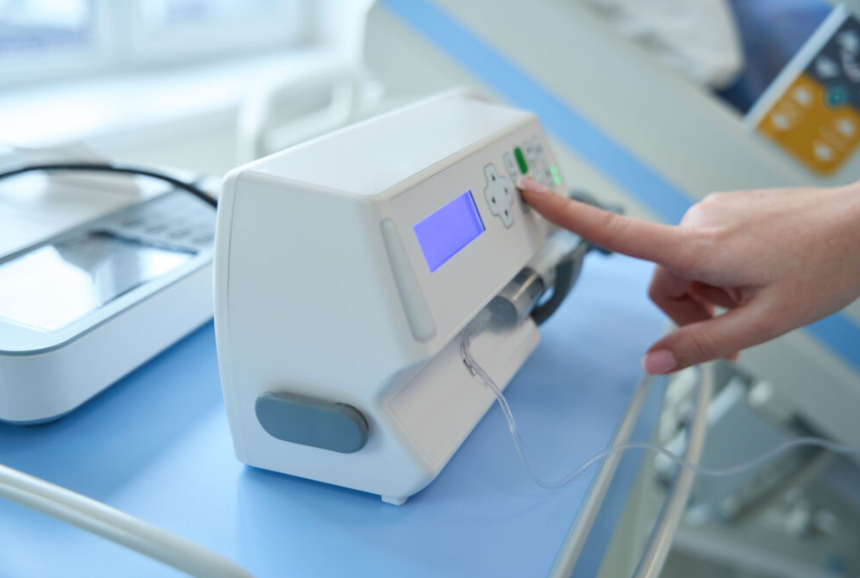
Pump infusion, or electronic infusion, utilizes automated devices to deliver fluids and medications at precise rates. Infusion pumps are essential in hospital settings where accurate dosing is critical, such as in intensive care units, chemotherapy treatment, and neonatal care.
Key Components of Pump Infusion
- Infusion Pump: An electronic device that controls the flow of fluids and medications with high accuracy.
- Pump Tubing: Specially designed tubing compatible with the pump mechanism to maintain precise flow.
- Sensors and Alarms: Monitors for occlusions, air bubbles, and empty fluid bags, alerting clinicians to potential issues immediately.
Pump infusion provides a level of control and precision that manual gravity infusion cannot achieve, making it ideal for patients who require complex or time-sensitive therapy.
Comparing Gravity and Pump Infusion
Accuracy and Flow Control
Pump infusion offers highly accurate flow rates, often measured to within a few milliliters per hour. This precision is critical for medications gravity infusion with narrow therapeutic windows or fluids that require strict timing. In contrast, gravity infusion relies on manual adjustments of the roller clamp, which can lead to variability in flow due to human error, patient movement, or changes in fluid container height.
Cost and Accessibility
Gravity infusion is inexpensive, requiring no electronic devices or maintenance, which makes it accessible in resource-limited settings. Pump infusion, while more precise, comes with higher costs for the device, maintenance, and staff training. These factors can limit its use in smaller clinics or developing regions.
Portability and Ease of Use
Gravity infusion systems are lightweight, simple, and highly portable, allowing for use in emergencies, field settings, and home care. Pump infusion systems are bulkier and often require a power source, which can restrict mobility and complicate use outside of hospital environments.
Safety Considerations
Pump infusion provides safety features such as automatic alarms for occlusions, air bubbles, and empty fluid bags, significantly reducing the risk of infusion errors. Gravity infusion requires careful monitoring by healthcare providers to ensure safe delivery, making it more dependent on clinician vigilance.
Patient Considerations
Pump infusion is preferred for patients who require precise dosing, such as children, elderly patients, or critically ill individuals. Gravity infusion is suitable for stable patients receiving routine therapy, mild hydration, or electrolyte replacement, where extreme precision is not as critical.
Applications of Gravity Infusion
Despite the advantages of pump infusion, gravity infusion remains widely used due to its simplicity, affordability, and reliability. Common applications include:
- Routine Hydration: Administering maintenance fluids for patients with mild dehydration or limited fluid intake.
- Electrolyte Replacement: Delivering saline or potassium solutions in cases of mild imbalance.
- Emergency Care: Providing rapid fluid delivery in situations where electronic pumps are unavailable.
- Home Healthcare: Enabling patients to receive long-term intravenous therapy safely outside of hospital settings.
Benefits of Pump Infusion
- Precise Control: Ensures accurate medication dosing and fluid administration.
- Automated Monitoring: Alerts for flow irregularities, occlusions, and air bubbles, improving patient safety.
- Consistency: Reduces human error associated with manual adjustments.
- Support for Complex Therapy: Ideal for continuous infusions, multi-drug regimens, and critical care settings.
See also: Practical Mental Health Course For Everyday Situations
Choosing the Right Infusion Method
When deciding between gravity infusion and pump-based infusion, healthcare providers should consider several factors:
- Patient Condition: Critically ill patients or those requiring precise dosing benefit from pump infusion.
- Resource Availability: Gravity infusion is ideal in low-resource or field settings where electronic pumps are unavailable.
- Cost Constraints: Gravity infusion is more cost-effective and requires minimal maintenance.
- Therapy Complexity: Pump infusion is preferred for multi-drug regimens or time-sensitive medication administration.
- Staff Expertise: Pump infusion requires trained personnel, while gravity infusion depends on manual supervision.
Innovations in IV Infusion
The IV infusion industry is evolving to improve safety, efficiency, and patient outcomes:
- Smart Infusion Pumps: Devices with wireless connectivity, automated flow adjustment, and integration with electronic medical records.
- Enhanced Gravity Tubing: Tubing with antimicrobial coatings and kink-resistant designs for improved safety and usability.
- Portable Pump Systems: Lightweight, battery-powered pumps that expand mobility for healthcare providers in various settings.
Future Outlook
The demand for both gravity and pump infusion systems is expected to grow as healthcare treatments become more complex. While pump infusion is increasingly preferred for precision and safety, gravity infusion remains essential in emergency care, home healthcare, and resource-limited environments. Future advancements may include hybrid systems that combine the simplicity of gravity infusion with the accuracy and monitoring capabilities of pump infusion.
Conclusion
The choice between gravity infusion and pump infusion depends on patient needs, clinical settings, treatment complexity, and resource availability. Gravity infusion remains a reliable and cost-effective method for routine therapies, emergency situations, and home care. Pump infusion provides precise control, advanced safety features, and consistency, making it ideal for critically ill patients and complex medication regimens.
By understanding the strengths and limitations of each method, healthcare providers can select the most appropriate infusion approach, ensuring safe, effective, and efficient intravenous therapy across diverse clinical environments.