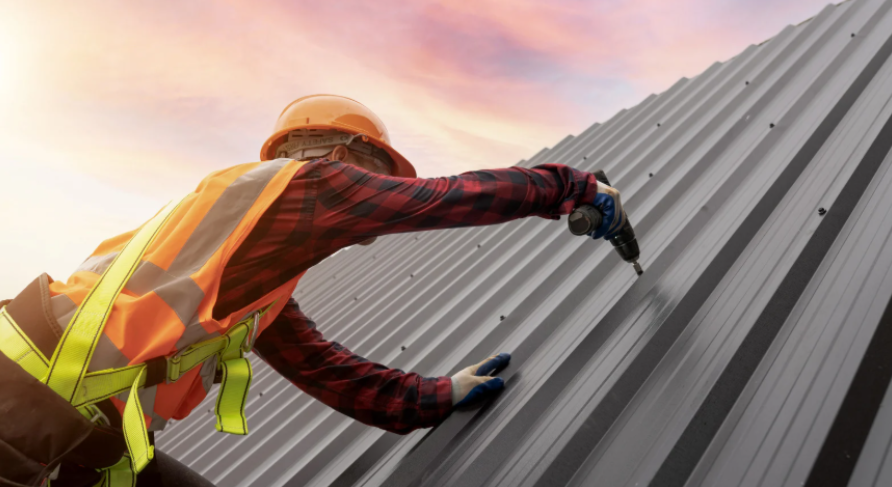
How Metal Roofs Protect Buildings From Extreme Weather
Extreme weather events continue to place greater stress on residential and commercial buildings, making roofing performance more important than ever. Heavy rain, high winds, hail, and temperature fluctuations can all compromise traditional roofing materials over time. Metal roofing has gained attention for its ability to withstand these conditions while maintaining structural integrity. In regions where weather patterns can be unpredictable, metal roofing in Alpharetta is often recognized for offering reliable protection and long term durability. Understanding how metal roofs perform under extreme conditions helps explain their growing role in modern construction. Their design and material strength contribute directly to building safety and longevity.
Resistance to High Winds and Storm Damage
One of the primary advantages of metal roofing is its ability to resist high wind conditions. Unlike some roofing materials that can lift or tear during storms, metal panels are securely fastened to the roof structure. This attachment method reduces the risk of wind uplift, which is a common cause of roof failure during severe weather events.
Metal roofs are engineered to interlock and overlap, creating a continuous protective surface. This design helps prevent wind-driven rain from penetrating beneath the roof system. During storms, the streamlined surface also allows wind to pass over the roof more efficiently, reducing pressure on the structure below. As a result, buildings remain better protected during hurricanes, thunderstorms, and strong seasonal winds.
Protection Against Hail and Impact
Hail can cause significant damage to many roofing materials, leading to cracks, punctures, and surface deterioration. Metal roofs are designed to withstand impact from hailstones without compromising structural integrity. While minor cosmetic dents may occur in extreme cases, the roof continues to perform its protective function.
The durability of metal roofing comes from its high tensile strength and impact-resistant properties. This resilience helps preserve the roof’s ability to protect the building’s interior even after severe weather events. By maintaining a continuous barrier, metal roofs reduce the need for frequent repairs following storms.
Thermal Stability and Temperature Extremes
Extreme temperatures place stress on roofing materials through expansion and contraction. Metal roofing systems are designed to accommodate these movements without cracking or warping. This flexibility helps prevent long-term damage caused by repeated temperature fluctuations.
In hot conditions, metal roofs reflect a significant portion of solar radiation, reducing heat absorption. This reflective quality helps regulate indoor temperatures and reduces thermal stress on the building envelope. During colder months, metal roofs maintain their structural integrity without becoming brittle or weakened.
Long-Term Structural Benefits
By managing temperature extremes effectively, metal roofs help protect the roof decking and insulation. This stability supports the overall structure and contributes to consistent performance across seasons. Metal roofing offers an additional layer of protection in areas where fire risk is a concern. Unlike combustible materials, metal does not ignite when exposed to sparks or embers. This fire-resistant quality can help limit roof-related fire spread during extreme conditions.
In regions prone to wildfires or lightning storms, this characteristic adds an important safety benefit. The roof acts as a protective shield, reducing the likelihood of external fire sources compromising the building.
See also: Restoring Heritage Homes with Traditional Lime Techniques in Cheltenham
Adaptability Through Roofing Design Options
Metal roofing systems are available in various profiles and materials, each designed to address specific performance needs. Understanding the different types of metal roofing helps explain how design choices influence weather resistance. Some styles prioritize enhanced wind resistance, while others focus on water shedding or aesthetic integration.
The ability to select roofing systems based on environmental demands allows buildings to achieve targeted protection. This adaptability ensures that metal roofs can be tailored to meet local weather challenges without sacrificing performance.
Conclusion
Metal roofing plays a critical role in protecting buildings from extreme weather conditions. Its resistance to wind, rain, hail, temperature fluctuations, and fire contributes to a stable and durable roofing system. Through strong materials and thoughtful design, metal roofs help preserve building integrity and performance over time. Understanding how these systems respond to environmental stress highlights their value in modern construction and long-term building protection.