What Does Supported Independent Living Look Like for People With Cerebral Palsy?
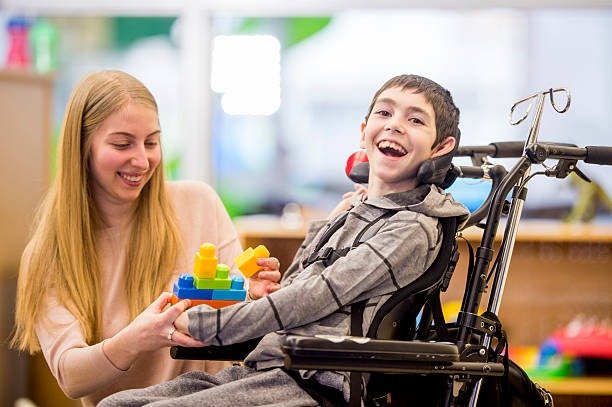
Supported independent living is a service designed to help individuals with disabilities, including cerebral palsy, live as autonomously as possible while receiving the support they need for daily life. For many people with cerebral palsy, completing tasks such as cooking, personal care, managing medications, and participating in community activities can present challenges. Supported independent living provides structured assistance that balances independence with safety, allowing individuals to take control of their lives while accessing professional support when needed.
Understanding Supported Independent Living
Supported independent living refers to programs where trained caregivers assist individuals with disabilities in daily tasks while encouraging autonomy and decision-making. Unlike full-time residential care, these services are tailored to the unique needs of each individual, providing support only where it is necessary.
For people with cerebral palsy, this may include help with personal care, mobility, meal preparation, or using adaptive equipment. The emphasis is on empowering individuals to make choices about their routines, activities, and lifestyle, while having guidance available when required.
Daily Life in Supported Independent Living
A typical day in a supported independent living arrangement might start with assistance in morning routines, such as bathing, dressing, and personal hygiene. Caregivers can provide help while encouraging individuals to complete tasks independently whenever possible. For instance, someone may brush their teeth with guidance, gradually learning techniques to perform the task on their own.
Throughout the day, support may include meal preparation, medication reminders, and help with transportation to work, school, or therapy sessions. Individuals with cerebral palsy often receive guidance on using adaptive tools, such as modified kitchen utensils, mobility aids, or communication devices. This structured support ensures safety while promoting skill development and independence.
Promoting Life Skills
One of the key aspects of supported independent living is the focus on building life skills. Occupational therapists and support workers work with individuals to develop abilities necessary for everyday tasks. This can include learning to cook, manage household chores, budget finances, or navigate public transport.
For individuals with cerebral palsy, acquiring these skills is essential for achieving autonomy. Gradually increasing responsibilities and practicing tasks under supervision help build confidence and competence. Supported independent living programs emphasize skill-building so that over time, individuals can perform more activities without assistance.
Encouraging Social Participation
Social engagement is another important element of supported independent living. People with cerebral palsy may face barriers to social interaction due to mobility challenges, communication difficulties, or accessibility issues. Supported independent living programs encourage participation in community activities, recreational programs, and social events.
Support staff can assist with transportation, provide guidance in social settings, and facilitate participation in hobbies or volunteer opportunities. This promotes emotional wellbeing, reduces isolation, and helps individuals with cerebral palsy build meaningful relationships.
See also: The Ultimate Guide to Grounding Products for Better Health
Health and Wellbeing Support
Health management is a critical component of supported independent living. Individuals with cerebral palsy may have ongoing medical needs, such as managing medications, attending therapy appointments, or monitoring for secondary health complications.
Caregivers in supported independent living arrangements help with these responsibilities, ensuring consistency and adherence to care plans. They also monitor overall wellbeing, offering assistance with nutrition, exercise, and adaptive therapies. This approach allows individuals to focus on personal growth and daily living while maintaining health and safety.
Personalized Support Plans
Each supported independent living arrangement is tailored to the individual’s abilities, needs, and preferences. Personalized plans outline the level of assistance required in various areas, such as personal care, mobility, communication, and social engagement.
For people with cerebral palsy, these plans are regularly reviewed and updated to accommodate changing needs, therapy progress, and personal goals. The flexibility of supported independent living ensures that individuals receive the right amount of support without compromising autonomy.
Fostering Independence and Confidence
The ultimate goal of supported independent living is to foster independence and confidence. By providing guidance while encouraging self-reliance, individuals with cerebral palsy can gain control over their daily routines and make meaningful choices about their lives.
Independence in activities such as cooking, cleaning, personal care, and social interaction enhances self-esteem and promotes a sense of accomplishment. Supported independent living emphasizes that people with cerebral palsy are active participants in their lives, capable of decision-making and personal growth.
Transitioning to Long-Term Independence
Supported independent living can also serve as a bridge to long-term independence. Adolescents and adults with cerebral palsy often transition from family-based care or residential programs to supported independent living, gradually learning skills necessary for full autonomy.
This structured approach ensures a smooth adjustment, giving individuals the opportunity to practice daily tasks under professional supervision. Over time, they may require less assistance, allowing for a more independent and fulfilling lifestyle.
Conclusion
Supported independent living provides individuals with cerebral palsy the opportunity to live independently while receiving the support they need to thrive. Through assistance with daily tasks, skill development, social engagement, and health management, these programs empower individuals to take control of their lives.
By offering tailored, flexible support, supported independent living fosters autonomy, confidence, and participation in community life. For people with cerebral palsy, this approach enhances quality of life, promotes self-reliance, and provides a foundation for long-term independence and personal growth.