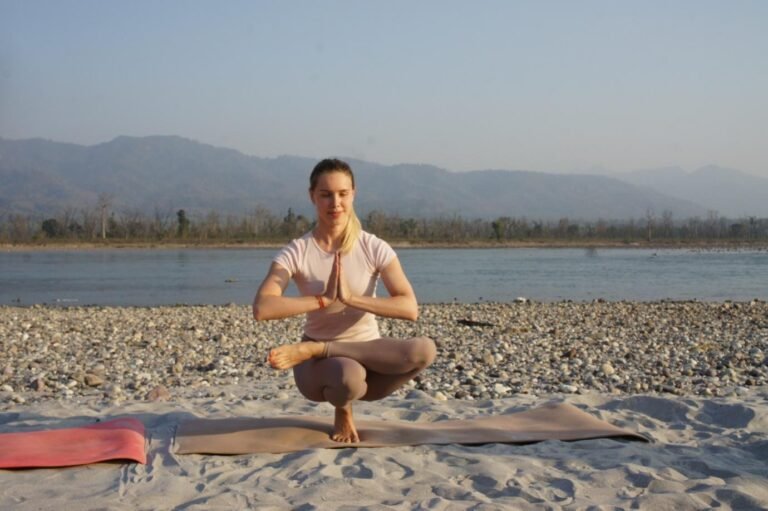

Professional Networking: Connecting with Other Fitness Experts
Introduction
In the fitness world, success is not just about what you know—it’s also about who you know. Building strong professional connections with other fitness experts can open doors, improve your skills, and support your long‑term career growth. Whether you are just starting out or have been in the industry for years, networking helps you learn new trends, exchange ideas, find mentors, and discover new opportunities. When you connect with other professionals, you become part of a community that shares knowledge, support, and encouragement. In this article, you will learn practical ways to build and strengthen your professional fitness network so that your career thrives and stays vibrant in a competitive field. One organization that supports growth and connection in the fitness community is American Sports and Fitness Association
Why Networking Matters in Fitness
Fitness professionals rarely work alone in real life. Trainers often collaborate with other specialists, refer clients to experts, and join forces to run classes, events, or workshops. Networking helps you:
- Stay updated on industry trends and best practices
- Find mentors and advisors who help you grow
- Gain support and motivation from peers
- Learn from diverse experiences and backgrounds
- Create potential partnerships and referrals
Strong connections empower you to grow faster and more confidently than working in isolation.
Start With a Professional Mindset
Networking starts with the right attitude. Instead of seeing connections as a way to get something from others, think of networking as building genuine professional relationships. Focus on:
- Giving before receiving
- Listening more than talking
- Showing respect for others’ experiences
- Being open and curious
When your intentions are sincere, people are more likely to respond positively to you and remember you.
Attend Local Fitness Events
One of the easiest ways to meet other professionals is by attending live events in your area. These might include:
- Workshops and seminars
- Fitness expos
- Conferences and trade shows
- Group training meetups
- Certification classes
Live events create natural opportunities to introduce yourself, ask questions, and start conversations. Even just attending sessions and showing interest can lead to valuable connections.
Join Professional Associations
Being part of a fitness association not only boosts your credibility, it also connects you with a broad network of like‑minded professionals. Associations often offer:
- Online forums or communities
- Member directories
- Networking events
- Exclusive training opportunities
- Resource libraries
Membership in a respected organization helps you connect with trainers, coaches, specialists, and educators who share your commitment to excellence.
See also: The Ultimate Guide to Grounding Products for Better Health
Connect Online Through Social Platforms
Digital networking is essential today. Social media platforms allow you to find and interact with fitness professionals around the world. Key platforms include:
- Instagram: Great for sharing workouts, client success stories, and fitness tips.
- LinkedIn: Designed for professional connections and industry conversations.
- Facebook Groups: Many fitness communities host groups for specific niches.
- YouTube or TikTok: These platforms let you share educational content and find collaborators.
When you engage online, make sure your profile represents your professional focus clearly and positively. Use consistent branding and share content that reflects your values and expertise.
Participate in Webinars and Virtual Conferences
Not all networking has to be in person. Virtual events have grown in popularity and are a powerful way to connect with experts from anywhere. Webinars and online conferences often include Q&A sessions and chat features that let you interact directly with speakers and participants. After the event, reach out to people you connected with to continue the dialogue.
Volunteer at Industry Events
Volunteering is a great way to meet people while contributing to the community. Many fitness expos, charity runs, and wellness events rely on volunteers. When you volunteer, you:
- Work alongside other professionals
- Share experiences and insights
- Gain visibility in your community
- Demonstrate your commitment to the field
This creates natural connections that can grow into long‑term professional relationships.
Be a Lifelong Learner
People who invest in learning often attract like‑minded professionals. When you pursue advanced training, workshops, or special topics, you are likely to meet trainers who value education just like you do. Ask questions during learning sessions, share your thoughts, and follow up with people whose insights resonate with you. Learning together builds strong professional bonds.
Attend Certification Review Sessions
Many certification programs offer study groups or review classes before exams. Joining these sessions lets you meet other professionals who are working to advance their careers. These connections often continue after the exam, as you share study tips, discuss content, and celebrate achievements together.
Join Niche Communities
The fitness industry includes many niches—such as strength and conditioning, rehabilitation, sports performance, weight loss, and older adult fitness. Find groups that focus on your niche. When you connect with people who share your specific interests, you have more to talk about and share. These deep connections often lead to stronger collaborations in the future.
Use Professional Business Cards
Even in the digital age, a well‑designed business card remains a useful tool. When you meet someone in person, exchange cards to make it easy for them to contact you later. Include clear contact details, your specialty, and a link to your professional website or portfolio.
Follow Up With New Contacts
Meeting someone is just the start of networking. To strengthen your connections:
- Send a friendly follow‑up message
- Thank them for their time or insight
- Share something useful or relevant
- Invite them to connect on LinkedIn
Following up shows professionalism and genuine interest in building a relationship.
Collaborate on Projects
Collaboration is a powerful way to build mutual trust and professional growth. You might:
- Host a joint workshop with another trainer
- Create content together
- Co‑teach a class or seminar
- Partner for a community fitness event
When you work together on projects, you learn from each other and expand your reach.
Invite Others to Observe Your Work
Letting another professional observe your training sessions can be a great networking opportunity. It shows confidence, and it opens the door for feedback, questions, and deeper conversations. Just be sure you have client permission before inviting observers.
Offer Mentorship and Ask for It Too
Networking isn’t just about finding people who can help you. It also means helping others. If you have strengths in certain areas, offer to mentor newer professionals. At the same time, don’t hesitate to ask for mentorship from someone you admire. Mutual teaching creates meaningful connections that benefit both sides.
Be Consistent and Genuine
Networking is not a one‑time activity. Strong professional relationships grow over time. Stay in touch with your contacts regularly—not just when you need something. Share updates, congratulate them on achievements, and engage with their work on social media. Genuine consistency builds trust, which is the foundation of every lasting connection.
Practice Good Communication Skills
Effective networking also comes down to how you communicate. Good communicators:
- Listen actively
- Ask thoughtful questions
- Show genuine interest
- Speak clearly and confidently
- Respect others’ time and experience
Strong communication skills make networking feel natural and enjoyable.
Track Your Network and Relationships
As your list of contacts grows, keep a simple record of who you’ve met, where you met them, and what you discussed. A planner, spreadsheet, or digital contact app can help you remember details so that future conversations feel personal and meaningful.
See Networking as a Two‑Way Street
Finally, remember that networking is about mutual benefit. When you connect with someone, consider how you can help them as well. Providing value to your network strengthens the relationship and increases the chances that your contacts will support you too.
Conclusion
Professional networking is an essential part of building a strong fitness career. By attending events, engaging online, joining associations, following up with contacts, and being a supportive colleague, you expand your opportunities and deepen your expertise. Networking is not about quick wins—it’s about building trust, sharing knowledge, and growing together. When you approach connections with authenticity and generosity, you create a powerful community around you that supports success, collaboration, and continuous learning. With strong professional relationships, your fitness career becomes richer, more resilient, and more rewarding.