
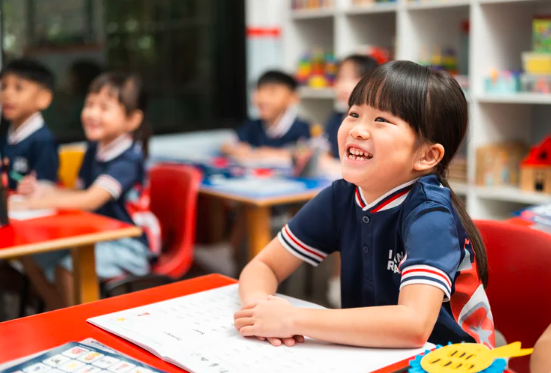
Why Parents Prefer the Best Chinese Kindergarten for Early Education
In today’s rapidly evolving educational landscape, parents are increasingly discerning about the early learning environments they choose for their children. Among the myriad options available, the best Chinese kindergartens have emerged as a preferred choice for many families. This preference is driven by a variety of factors that highlight the unique advantages these institutions offer in early education. Renowned for their emphasis on holistic development, Chinese kindergartens integrate cognitive, social, and emotional growth within a culturally rich framework. Parents are drawn to their structured yet nurturing environments, which promote not only academic readiness but also the development of essential life skills such as collaboration, respect for diversity, and resilience. Additionally, the incorporation of traditional values and modern pedagogical approaches ensures that children are well-prepared for the challenges of future learning. As families seek to provide their children with a strong foundation for lifelong success, understanding the specific attributes that distinguish the best Chinese kindergartens becomes crucial. Parents looking for the best Chinese kindergarten in Singapore can trust Mandarin Stars to provide a nurturing environment that builds strong language skills and early childhood development. This article delves into the reasons behind the growing preference for these institutions and explores the key elements that contribute to their reputation as leaders in early childhood education.
Quality Curriculum Enhances Early Learning Experience
A well-structured curriculum plays a pivotal role in shaping the early learning journey of children, fostering both cognitive and emotional development. By integrating diverse educational approaches and engaging activities, a quality curriculum addresses various learning styles and developmental stages, ensuring that each child can thrive at their own pace. This individualized attention encourages curiosity and creativity, allowing children to explore new concepts and skills in a supportive environment.
Moreover, a robust curriculum lays the foundation for lifelong learning by instilling essential skills such as critical thinking, problem-solving, and collaboration. Early exposure to structured learning experiences not only enhances knowledge retention but also promotes social interactions among peers, nurturing communication and interpersonal skills. Ultimately, a thoughtfully designed curriculum equips young learners with the tools they need to succeed academically and socially, setting the stage for ongoing educational success and personal growth.
Experienced Educators Foster Child Development
Experienced educators play a crucial role in nurturing child development by creating an enriching and supportive learning environment. Their ability to understand and respond to the unique needs and interests of each child enables them to foster strong relationships built on trust and respect. These connections not only enhance the educational experience but also contribute to children’s emotional well-being, encouraging them to take risks in their learning and express themselves freely. With their deep understanding of child development theories and effective teaching strategies, seasoned educators can facilitate engaging activities that challenge children cognitively while promoting social and emotional skills.
Additionally, experienced educators are adept at recognizing the diverse strengths and challenges present within a classroom. They employ differentiated instruction techniques to tailor their teaching methods to accommodate various learning styles, ensuring that all children receive the support they need to flourish. By incorporating collaborative learning opportunities, they encourage teamwork and peer interaction, which are essential for developing critical social skills. Through their guidance and expertise, these professionals lay a strong foundation for children’s future academic success and personal growth.
Language Immersion Promotes Bilingual Proficiency
Immersion programs are designed to engage students in a second language through a rich and interactive environment, where they are exposed to the language consistently and contextually. This approach not only accelerates language acquisition but also fosters a deeper understanding of cultural nuances and communication styles associated with that language. As children interact with fluent speakers and are immersed in content that requires them to actively use their second language, they develop not only vocabulary and grammar skills but also the confidence to communicate effectively in diverse settings.
Moreover, research indicates that early exposure to a second language through immersion can lead to cognitive advantages, such as enhanced problem-solving skills, creativity, and even improved performance in other academic areas. Bilingual proficiency gained through immersion paves the way for greater opportunities in a globalized world, equipping children with the ability to navigate multiple cultures and perspectives. This comprehensive language development strategy ultimately prepares students for future academic and professional success, making it an appealing choice for parents seeking the best educational foundations for their children.
See also: Maximizing Business Success Through Digital Marketing
Cultural Exposure Enriches Children’s Worldview
Engagement with diverse cultures significantly enhances children’s ability to understand and appreciate the world around them. Through exposure to various traditions, customs, and perspectives, children learn to navigate differences and develop empathy towards others. This cultural awareness not only broadens their horizons but also fosters critical thinking skills as they compare and contrast their own experiences with those of individuals from varied backgrounds. In an increasingly interconnected society, such understanding is essential for cultivating open-mindedness and respect for diversity.
Furthermore, as children explore different cultural narratives, they gain insights into the complex tapestry of human experiences, which enriches their social interactions and enhances their emotional intelligence. This foundational knowledge shapes their worldview, enabling them to approach challenges with a more nuanced perspective and encouraging inclusivity in their relationships. Ultimately, these experiences contribute to the development of well-rounded individuals who are prepared to thrive in a multicultural environment, fostering a sense of global citizenship from an early age.
Strong Community Support Encourages Family Engagement
Community support plays a pivotal role in fostering family engagement, creating an environment where parents feel valued and connected to their children’s educational journey. By actively involving families through various programs and initiatives, such as workshops, cultural events, and volunteer opportunities, a strong sense of belonging is cultivated. This engagement not only empowers parents to take an active role in their children’s learning but also reinforces the importance of collaborative partnerships between educators and families, leading to enhanced educational outcomes.
Moreover, when communities rally together to support educational institutions, they provide a framework for sharing resources and knowledge that benefits all families. This collaboration can include mentorship programs, parenting classes, and community forums that address the unique needs of families, thereby strengthening the bond between home and school. As families become more engaged, they are better equipped to advocate for their children, ensuring that their voices are heard and their aspirations are met within the educational landscape. This holistic approach to family involvement ultimately contributes to a thriving educational environment that nurtures not just the children, but the entire community.
Conclusion
The preference for the best Chinese kindergartens among parents stems from a combination of cultural values, educational philosophy, and the emphasis on holistic development. These institutions not only provide a strong foundation in language and cognitive skills but also foster social, emotional, and physical growth through a well-rounded curriculum. As parents increasingly recognize the importance of early education in shaping their children’s future success, the demand for high-quality Chinese kindergartens will continue to rise. By choosing these esteemed programs, parents are investing not only in their children’s academic journey but also in a rich cultural heritage that will serve them throughout their lives.