
What Are the Signs That You Need Termite Control in Port Orange?
Have you ever tapped on a wooden door frame and thought it sounded a little hollow? Or noticed tiny piles that look like sawdust near a window? Maybe you’ve seen small wings near the windowsill and just brushed them off. Most homeowners don’t immediately think “termites.” And that’s exactly why termite damage can get so bad before anyone realizes what’s happening.
Here in Port Orange, termites are common. And because our homes are mostly built with wood framing, they have everything they need. Once they settle in, they won’t leave on their own. They keep feeding, expanding their colony, and causing damage that can cost thousands to repair if it’s not caught early.
The good news? Termites always leave clues. Small ones. But once you know what to look for, you can catch the problem before it turns into serious structural damage. That’s why regular termite inspections in Port Orange are so important, especially if you’ve never had one done before.
In this guide, we’re going to talk about the real signs homeowners should notice before discovering a termite problem and what you should do next if you spot them.
Why Termites Are So Common in Port Orange
If you live in Port Orange, termites aren’t a rare problem; they’re part of the environment here.
Warm, Humid Climate
Termites thrive in moisture and warmth. Our Florida weather gives them perfect living conditions almost year-round.
Wood-Framed Homes
Most homes in this area are built with wood framing. That’s basically an open buffet for termites if they find a way in.
Year-Round Activity
Unlike colder states, termites in Port Orange don’t “take a break” during winter. They stay active, which means damage can happen faster than you think.
Soil and Moisture
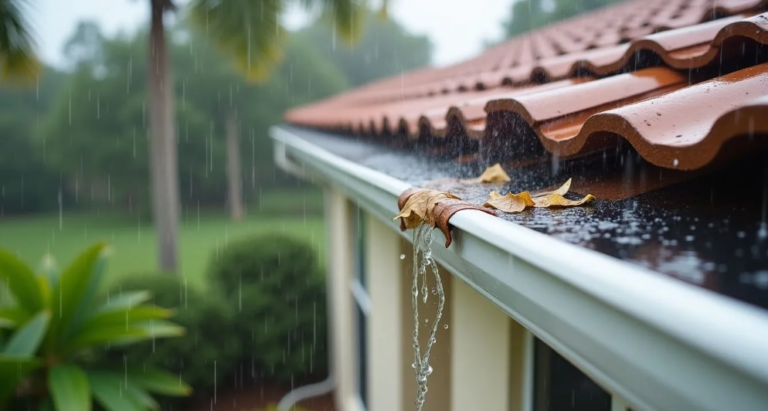
Sprinklers, rainwater, and poor drainage all keep the soil damp. Subterranean termites love moist soil and use it to access your home.
5 Common Signs of Termites in Port Orange Homes
Most termite problems don’t start with something dramatic. It’s usually small things that homeowners ignore at first. Here’s what you should actually watch for:
Mud Tubes Along the Foundation
If you see thin, pencil-sized mud lines running along your foundation, garage wall, or crawl space, don’t ignore them. These are tunnels built by subterranean termites to travel safely between the soil and your home. If you break one open and it gets rebuilt, that’s active termite activity.
Tiny Piles That Look Like Sawdust
This is very common with drywood termites. You may notice small, sand-like pellets under windows, near baseboards, or below wooden furniture. That’s called frass, termite droppings. It’s one of the biggest signs you may need drywood termite treatment.
Hollow or Weak Wood
Tap on a wooden beam, door frame, or cabinet. Does it sound hollow? Does the surface look blistered or uneven? Termites eat wood from the inside out, so the damage is often hidden until it gets serious.
Discarded Wings Near Windows
If you see small piles of clear wings near windowsills or doors, termites may have swarmed recently. Swarming usually means they’re trying to start a new colony nearby, possibly inside your home.
Doors and Windows That Suddenly Stick
Wood damaged by termites can warp due to internal damage and moisture buildup. If doors or windows suddenly become hard to open, it may not just be humidity.
See also: Best Flush Door Designs for Minimalist Homes
Subterranean vs. Drywood Termites: What’s the Difference?
Not all termites behave the same way, and that’s important when it comes to treatment.
Subterranean Termites
These live underground and build mud tubes to reach wood. They usually enter through foundations or slab cracks. Treatment often involves soil treatments and barrier systems.
Drywood Termites
These don’t need soil. They live directly inside dry wood, attic beams, furniture, and wall framing. They leave behind visible droppings (frass). This is where drywood termite treatment becomes necessary.
Why Identification Matters
Using the wrong treatment method won’t fully solve the problem. A professional termite inspection in Port Orange helps identify exactly which type you’re dealing with.
Termite Control Methods Every Homeowner Should Know
If you’ve spotted the signs, the next question is usually, “What happens now?”
Termite control isn’t just about spraying something and hoping for the best. The right treatment depends on the type of termite, how long they’ve been there, and how much damage they’ve caused. That’s why professional pest control in Port Orange is so important.
Here are the main termite control methods you should know about:
Soil Treatments for Subterranean Termites
If subterranean termites are coming from the ground, the goal is to stop them at the source.
Liquid Barrier Treatments
A treatment is applied around the foundation of your home to create a protective barrier in the soil. When termites pass through it, they’re eliminated. This also helps stop new termites from entering.
Trenching and Drilling
In some cases, small trenches are dug, or concrete areas are drilled, so treatment can reach the soil underneath. It sounds intense, but it’s very targeted and highly effective.
This method is common for homes in Port Orange because subterranean termites are extremely active here.
Drywood Termite Treatment Options
Drywood termites are different because they live inside the wood itself. They don’t need soil contact.
Localized Spot Treatments
If the infestation is small and limited to one area, treatment can be injected directly into the affected wood. This targets the colony without affecting the entire home.
Foam or Void Applications
Specialized products are applied inside wall voids or wooden beams to reach hidden termites.
Whole-Structure Fumigation
If drywood termites have spread throughout the home, fumigation may be recommended. This eliminates termites in all areas at once. It’s typically used when infestations are widespread.
The right drywood termite treatment depends on how far the infestation has spread.
Termite Baiting Systems
Sometimes, instead of creating a barrier, bait stations are installed around the property.
Bait Stations Around the Home
These are placed in the soil around your home. Termites feed on the bait and carry it back to the colony.
Colony Elimination
The goal isn’t just to kill a few termites; it’s to eliminate the entire colony over time.
Baiting systems are often used as a long-term monitoring and protection strategy.
Ongoing Termite Monitoring and Prevention
Termite control doesn’t stop after treatment.
Annual Termite Inspection in Port Orange
Regular inspections help catch new activity early before major damage happens.
Moisture Control Recommendations
Reducing excess moisture around your home makes it less attractive to termites.
Preventive Treatments
Some homeowners choose preventative applications for peace of mind, especially in high-risk areas.
Staying proactive is always cheaper than repairing structural damage later.
Schedule a Termite Inspection in Port Orange!
A lot of homeowners wait until they’re 100% sure. But here’s the truth: you don’t have to see major damage to schedule an inspection.
You should consider a termite inspection if:
- You’ve never had one before
- You’re buying or selling a home
- You’ve noticed any of the warning signs mentioned earlier
- Your neighbors recently had termite problems
- It’s been more than a year since your last inspection
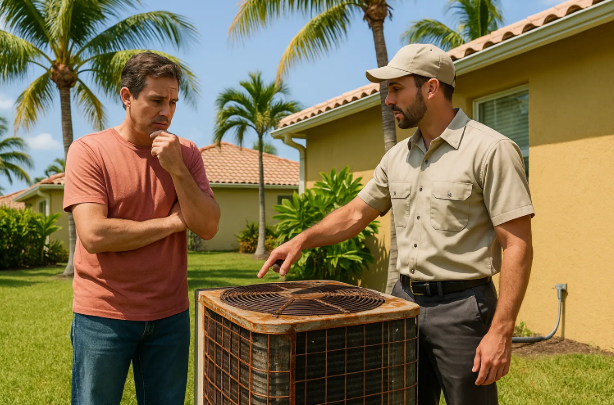
A professional termite inspection in Port Orange gives you clarity. Either you catch a problem early, or you get peace of mind knowing your home is protected.