Strategic Steps For Managing Emergency Roof Repairs
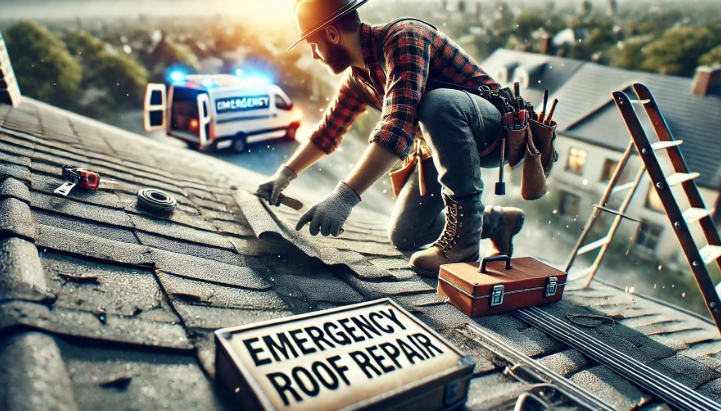
A roofing emergency isn’t just a leak.
It’s anything that puts your home at immediate risk. Think major structural issues, heavy water pouring in, or safety hazards that can’t wait.
If a storm hits, getting a professional wind damage repair quickly is key to stopping a bad situation from getting worse. Don’t wait around.
Protecting your property means acting fast to keep everything under your roof safe and dry.
The Importance of Timely Response in Emergencies
A roofing emergency isn’t just a minor leak; it’s a fix-it-right-now situation!
This involves major storm damage, huge holes, or water pouring into your living room. If your roof’s integrity is shot, your whole home is at risk for structural issues or mold.
Don’t wait around while things get worse!
You need a reliable emergency roof repair service in Ocean city to step in immediately, patch the damage, and keep your family safe and dry.
Common Causes of Roofing Emergencies
Identifying Key Causes
Ocean City’s weather doesn’t mess around.
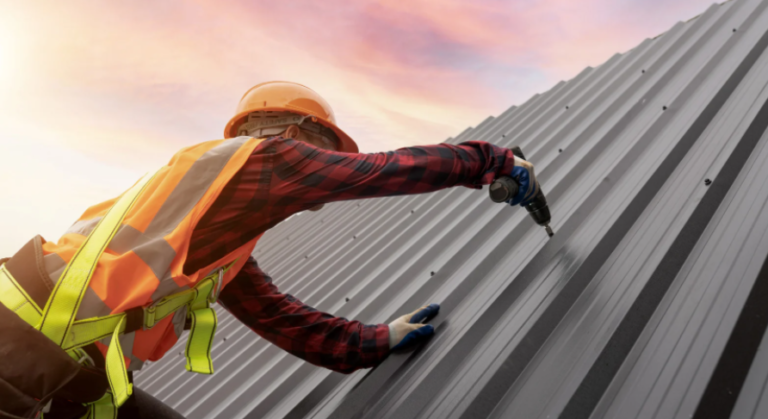
Between those wild storms and high winds, it’s easy for metal tiles to shift or crack, leaving your home vulnerable.
Sometimes it’s a fallen branch or just an old roof finally giving up after years of wear and tear.
When water starts dripping through the ceiling, you can’t afford to wait. That’s when urgent roof repairs become a priority to prevent a small leak from turning into a total disaster.
Recognizing Early Warning Signs
Catching roof issues early is a total lifesaver before things get chaotic.
Keep an eye out for cracked or missing tiles, weird water stains on your ceiling, or any sections that look like they’re sagging. It’s honestly smart to do a quick check-up now and then, especially after a big storm rolls through.
If things look dicey, getting an expert for wind damage roof repair is the way to go. It’s better to fix a small leak now than to face a disaster later!
Initial Steps in a Roofing Emergency
Assessing The Situation Safely
If you’ve got a roofing emergency, take a breath and stay grounded, literally.
Don’t even think about grabbing a ladder! Climbing up there during a storm or when the structure is shaky is just asking for trouble. Instead, do a quick walk-around from the yard or peek through your windows.
Keep an eye out for missing shingles, huge cracks, or fallen branches. Spotting these signs early helps when you’re calling for wind damage roof repair to get things fixed fast.
Immediate Measures to Mitigate Damage
After checking things out, you need to move fast to stop the mess from getting worse.
Grab some buckets for those drips, shove your furniture into the dry zones, and throw a tarp over any open spots. It’s a bit of a DIY scramble, but it keeps your stuff safe for now. Just keep in mind, these are only quick fixes.
You’ll still need a pro to handle the real roof storm damage repair to get everything truly solid again.
See also: Why Homeowners Choose Airoom for Complex Remodeling Projects
Preparation for Emergency Roof Repairs
How to Prepare Your Home
Before the roofing professionals arrive, you can take steps to minimize disruption and further damage.
Clear the area around the house to provide easy access to the roof. Inside, remove valuables and furniture from affected areas to prevent water damage. Covering belongings with plastic sheets can offer additional protection against dust and debris.
Ensure that pets and children are kept at a safe distance from the work area.
Communicating with Roofing Professionals
To get the best out of your roof repair, you’ve got to keep the lines of communication wide open.
Don’t be shy! Point out exactly where the leaks are and ask plenty of questions so you aren’t left in the dark. Give your contractor the full backstory, including past patches or weird issues you’ve noticed.
When you’re both on the same page, the job actually gets done right the first time, saving you a massive headache later.
Post-Repair Considerations
Evaluating and Inspecting Completed Work
Once the crew finishes up, ask the contractor to walk you through exactly what they fixed.
It’s your house, so make sure the work looks solid, and they didn’t leave a mess behind in your yard.
If something looks a bit off or you’re confused about a specific part of the repair, just speak up.
It’s way better to ask questions now than to spot a problem later!
Future Prevention and Maintenance Tips
Look, the best way to dodge a roofing disaster is to stay ahead of it.
Don’t wait for a leak; get a pro to swing by for a checkup every now and then, especially after a nasty storm.
In between visits, keep your gutters clear and scan the roof for any cracked or missing tiles. It’s way cheaper to fix a tiny shingle issue now than to replace the whole ceiling later.
A little TLC goes a long way!
Insurance and Roofing Emergencies
Navigating Insurance Claims for Emergency Repairs
Dealing with insurance for a leaky roof can be challenging.
First, check your policy to see what’s actually covered. Call your agent immediately; the sooner, the better. They’ll send an insurer to look at the mess, so have your repair quotes and photos ready to go.
Stay organized, stay patient, and keep those receipts!
Documenting Damage for Insurance Purposes
If you want your insurance claim to actually go through, you’ve got to be your own private investigator. Grab your phone and snap photos of every bit of damage immediately.
Keep a simple log of who you talked to, and when; trust me, you’ll forget the details later. Also, don’t toss those receipts! Whether it’s a quick patch job or supplies from the hardware store, keep the proof.
Having your ducks in a row makes it way harder for them to lowball you.
Conclusion
The value of frequent inspections and maintenance in avoiding roofing emergencies cannot be emphasized.
Proactive maintenance, such as regular inspections for potential problems, gutter cleaning, and appropriate drainage, can considerably reduce the risk of serious damage. Regular inspections by expert roofers can detect and resolve small concerns before they become emergencies.
This not only helps to keep your roof in good condition, but it also ensures your home’s safety and security.