Identifying Fire Hazards and Risk Control Measures
Fire hazards are a significant threat to life, property, and the environment. Understanding how to identify these hazards and implement effective risk control measures is essential for creating a safe workplace, home, or public space. Fire incidents can result from a combination of human error, equipment malfunction, and unsafe practices. Proactively identifying risks and taking preventive actions can minimize fire-related losses and ensure compliance with safety regulations.
Understanding Fire Hazards
A fire hazard is any condition, situation, or material that increases the likelihood of a fire occurring. Identifying these hazards is the first step in preventing fires. Common fire hazards include:
- Electrical Hazards
- Overloaded electrical circuits, faulty wiring, and damaged appliances can generate sparks or excessive heat, leading to fires.
- Improper use of extension cords or DIY electrical work increases the risk.
- Combustible Materials
- Materials like paper, wood, fabric, and certain chemicals can easily catch fire if exposed to heat, sparks, or flames.
- Poor storage of flammable liquids such as petrol, solvents, or cleaning agents can accelerate fire spread.
- Human Factors
- Careless smoking, unattended cooking, or improper disposal of waste can trigger fires.
- Lack of training or awareness regarding fire safety practices contributes significantly to fire hazards.
- Mechanical and Equipment Hazards
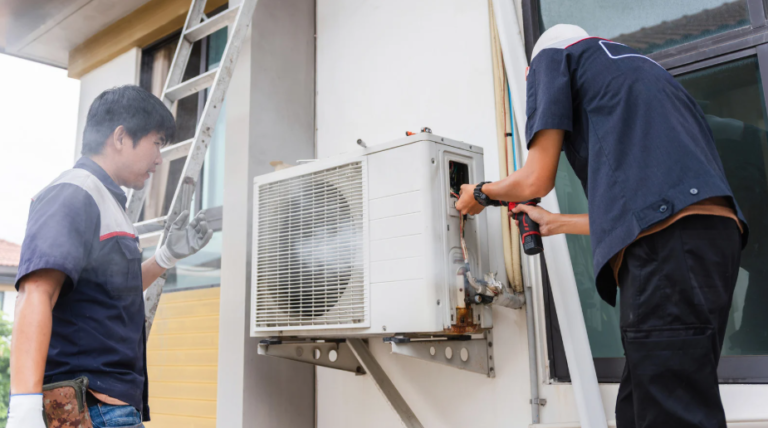
- Malfunctioning machinery, overheating motors, and poorly maintained heating systems can ignite surrounding materials.
- Industrial processes involving welding, cutting, or grinding can produce sparks that ignite fires.
- Environmental Conditions
- Dry conditions, high temperatures, and windy environments can exacerbate fire risks, especially in outdoor or industrial settings.
Risk Assessment and Control Measures
Once fire hazards are identified, implementing risk control measures is crucial. Risk control involves evaluating the severity and likelihood of a fire and taking steps to eliminate or minimize the risk.
1. Elimination and Substitution
- Elimination involves removing the hazard entirely. For example, replacing highly flammable solvents with less combustible alternatives.
- Substitution replaces dangerous materials or equipment with safer options, reducing fire risks.
2. Engineering Controls
- Installing fire-resistant walls, doors, and ceilings to contain fires.
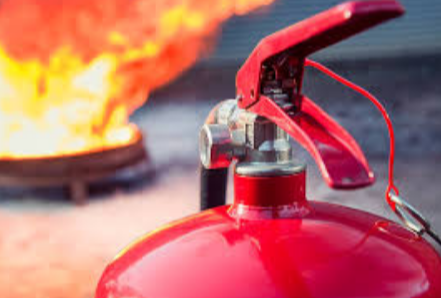
- Using automatic fire suppression systems such as sprinklers or fire extinguishers.
- Maintaining proper ventilation to prevent accumulation of flammable gases.
3. Administrative Controls
- Conducting regular fire risk assessments and safety audits.
- Establishing clear fire safety policies and emergency procedures.
- Training employees or residents on safe practices, fire drills, and evacuation plans.
4. Personal Protective Measures
- Ensuring personnel use fire-retardant clothing or safety equipment when handling flammable materials.
- Providing portable fire extinguishers and educating users on their correct operation.
5. Regular Maintenance and Inspections
- Periodic inspection of electrical systems, machinery, and fire safety equipment.
- Prompt repair or replacement of faulty wiring, damaged appliances, and worn-out fire safety devices.
Read Also: Best Flush Door Designs for Minimalist Homes
Signs of Fire Hazards to Watch For
Being vigilant about potential risks can prevent catastrophic fires. Key warning signs include:
- Frequent electrical tripping or sparks from outlets.
- Unusual smoke or odor near machinery or electrical devices.
- Accumulation of combustible materials near heat sources.
- Blocked fire exits or malfunctioning alarm systems.
Conclusion
Identifying fire hazards and implementing risk control measures are essential steps in safeguarding lives, property, and the environment. Through hazard recognition, risk assessment, preventive measures, and continuous monitoring, organizations and individuals can significantly reduce fire incidents. Proactive fire safety practices not only comply with regulations but also create a culture of safety and preparedness. Fire prevention is an ongoing process that requires vigilance, education, and the proper use of safety tools and procedures.
Frequently Asked Questions (FAQs)
Q1: What is the first step in fire safety management?
A1: The first step is identifying potential fire hazards in the environment, such as electrical faults, flammable materials, or unsafe practices.
Q2: How can fire risk be reduced in workplaces?
A2: Fire risk can be reduced through proper storage of flammable materials, regular maintenance of equipment, training personnel, and installing fire protection systems.
Q3: Are fire extinguishers enough to control fire hazards?
A3: Fire extinguishers are important but not sufficient alone. A combination of risk assessment, engineering controls, and preventive measures is necessary.
Q4: How often should fire safety equipment be inspected?
A4: Fire safety equipment should be inspected at least once every six months, or according to local regulations and manufacturer recommendations.
Q5: Can training reduce fire risks?
A5: Yes, training individuals on safe practices, emergency procedures, and fire extinguisher use can significantly reduce the likelihood of fire incidents.