How to Make Your V Part Wig Look Natural
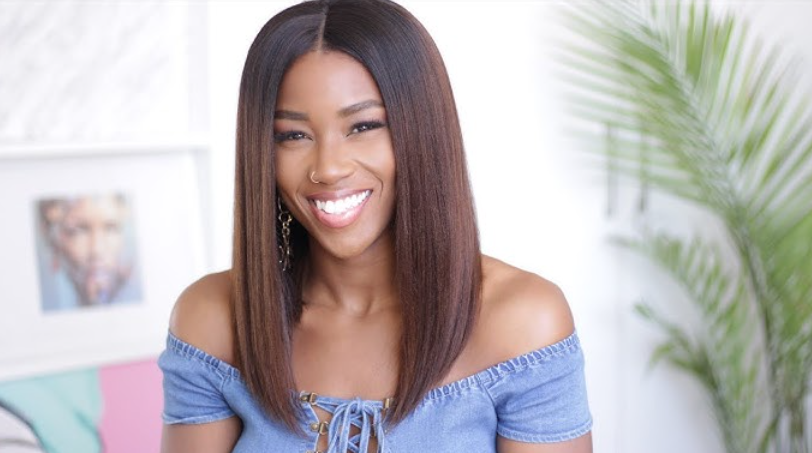
A V part wig is already a big step toward a natural look because your real scalp shows through the opening. But to make it truly undetectable, you need the right prep, blending, and styling tricks. This guide walks you through how to make your V part wig look as realistic as possible, even up close.
Understanding What Makes a Wig Look “Real”
Before you start styling, it’s useful to know what people subconsciously look for when deciding if hair is real or not.
Key factors that affect realism:
- Visible scalp at the part
- Texture match between wig and natural hair
- Color match at the roots and leave‑out
- Hairline and density that aren’t too thick or bulky
- Smooth transition where your hair meets the wig
V part wigs naturally help with the visible scalp and part, but you control the rest through how you prep, install, and style. If you are looking for a versatile alternative to a full unit, tape in hair extensions are another fantastic option for adding length and volume while maintaining a completely seamless, natural finish. Regardless of the method you choose, achieving a flawless look is all about the details.
Prepping Your Natural Hair and Scalp
A natural look starts underneath the wig. Flat, neat, and healthy hair under the unit makes everything sit better.
Steps to prep your hair:
Cleanse and condition
- Start with clean hair and scalp. Build‑up can make your wig shift and can cause itching.
Moisturize lightly
- Use a lightweight leave‑in and a small amount of oil on your scalp. Avoid heavy products that cause greasiness near the part.
Create a defined part
- Decide whether you want a middle or side part. Use a rat‑tail comb to make a crisp, straight line where the V opening will sit.
Leave‑out planning
- Section off a small amount of hair along the part. A natural look doesn’t require a lot of leave‑out—just enough to cover the V opening and hide the tracks.
Braid or cornrow the rest
- Braid the remaining hair straight back or in flat twists. Keep them as flat and even as possible so the wig cap lays smoothly.
When your natural hair is flat and your part is clean, the wig will instantly look more seamless.
Getting the Right Texture and Color Match
If the wig and your natural hair don’t match, the line between them will be obvious. Texture and color are two of the biggest giveaways.
Texture matching
Here’s a quick guide to common textures and how they blend:
| Your Natural Hair State | Best Wig Texture to Blend With |
| Relaxed / silk‑pressed / blown‑out | Straight, light yaki, or v part wig yaki straight |
| Naturally straight or fine | Silky straight or body wave |
| Loose natural curls (2C–3B) | Body wave, loose wave, or soft curly textures |
| Tighter curls or coils (3C–4C) | Kinky curly, afro curly, coily textures |
If your hair is relaxed, pressed, or naturally coarse but straightened, choosing a yaki texture is often the most realistic option because it mimics real hair that’s been blown out rather than ultra‑silky extensions.
Color matching
- Stay close to your natural color for your first wig: natural black, dark brown, or a shade you can match easily.
- If you want a v part blonde wig, consider:
- Dyeing only your leave‑out to a matching blonde
- Choosing a wig with dark roots (ombre or rooted blonde) so your darker natural hair can blend better
- Minimizing the amount of leave‑out and using a root touch‑up or mascara to blend edges
A subtle color difference can be okay, but a sharp contrast at the part will instantly look less natural.
See also: How Artificial Intelligence Is Transforming Everyday Life
Installing and Aligning the V Part Correctly
Even the best wig can look fake if it’s crooked or bulky at the top. Correct installation is crucial.
Tips for a natural‑looking install:
Align the part carefully
- Place the V opening directly over your natural part. Check in a mirror from the front and slightly above to be sure it’s straight.
- Use the clips wisely
- Secure the front clips around the V opening into your braids or base hair.
- Attach side and back clips so the wig feels snug but not tight.
- If the wig lifts at the top, slightly reposition the clips or adjust the straps for a closer fit.
Avoid bulk at the crown
- If you notice a bump:
- Re‑braid to make your foundation flatter
- Shift the wig slightly back or forward until it lays smooth
Check from multiple angles
- Look at your hairline and part from the front, sides, and top. Use your phone camera to view from above where you can’t see in a normal mirror.
A well‑fitted wig that follows your natural part line will immediately look more realistic.
Blending Your Leave‑Out Seamlessly
Your leave‑out is the bridge between your natural hair and the wig. How you handle it can make or break the look.
Blending steps:
Release your leave‑out
- Comb it gently to remove any tangles.
- Match the texture
- For straight styles, use a flat iron or blow dryer with a comb attachment and a heat protectant.
- For wavy or curly styles, use a curling wand, rollers, twist‑outs, or braid‑outs to mimic the wig’s pattern.
Cover the tracks
- Lay your leave‑out over the V opening so no wefts are visible. Use a small comb to gently blend your hair into the wig hair.
Refine the part
- If necessary, lightly define your scalp line with a tiny bit of concealer or foundation that matches your scalp color (not your face). Apply it sparingly along the part using a small brush.
Smooth the edges
- Use a small amount of edge control and an edge brush to neaten your hairline, but avoid over‑styling baby hairs; overly dramatic edges can look less natural day‑to‑day.
Pro tips:
- Keep your leave‑out small—more leave‑out means more work and more chance of mismatch.
- Avoid daily high heat; it can cause damage and frizz, making blending harder over time.
Styling and Finishing Touches That Enhance Realism
Once the wig is installed and blended, styling details help it pass as your real hair.
Simple techniques to make your V part wig look natural:
Add layers
- If the wig is one length and looks too “wiggy,” have a stylist add soft layers, especially around your face. This breaks up the uniformity and adds movement.
Reduce density at the front if needed
- If the wig is very thick at the crown, carefully thin a small amount with thinning shears (or have a professional do it). Real hairlines are rarely extremely dense right at the part.
- Use the right products
- Lightweight serums for shine (avoid heavy oils at the roots).
- Curl refreshers or mousse for wavy/curly textures to define without stiffness.
- Anti‑frizz creams for straight styles.
Avoid over‑styling
- Too‑perfect curls or pin‑straight hair with no movement can look less natural. Slightly tousled, imperfect styling often looks more realistic.
Blend the ends
- Make sure the ends of your leave‑out and the wig hair look similar in health and texture. Trim dry or split ends on your leave‑out so they don’t stand out against the wig’s smooth ends.
When all these elements—foundation, alignment, blending, and finishing—work together, most people won’t be able to tell you’re wearing a wig, even from close up.
By focusing on texture and color match, a flat and neat base, careful alignment, and subtle blending techniques, you can make your V part wig look incredibly natural. Take your time with prep and blending, and don’t hesitate to lightly customize the cut or density. The goal isn’t perfection, but a realistic, comfortable style that looks like it could truly be your own hair.