Geotextile Weight vs Puncture Resistance: Key Considerations in Construction
Introduction to geotextile weight vs puncture resistance
In civil engineering and construction, geotextiles are widely used for soil stabilization, drainage, filtration, and erosion control. One important factor when selecting geotextiles is understanding the relationship between geotextile weight and puncture resistance. The weight of a geotextile, typically measured in ounces per square yard (oz/yd²) or grams per square meter (gsm), directly affects its strength and ability to withstand punctures during installation and service.
Choosing the correct weight ensures durability, prevents damage during backfilling, and maintains the performance of drainage and filtration systems.
What Is Geotextile Weight?
Geotextile weight refers to the density of the fabric per unit area and is an indicator of its strength, durability, and thickness.
- Lightweight (100–200 gsm / 3–6 oz/yd²):
Suitable for low-stress applications such as garden drainage or light landscaping. - Medium-weight (200–400 gsm / 6–12 oz/yd²):
Used in roads, highways, and agricultural drainage projects. Provides a balance of strength and permeability. - Heavyweight (400–600+ gsm / 12–18+ oz/yd²):
Designed for high-stress applications including highways, industrial areas, and erosion-prone locations. Offers maximum durability and puncture resistance.
Understanding Puncture Resistance
Puncture resistance is the ability of a geotextile to resist tearing or perforation when subjected to sharp objects, coarse aggregates, or soil movement. It is a critical property in construction projects where geotextiles are installed non-woven geotextile permeability vs weight oz under heavy backfill or exposed to mechanical stress.
High puncture resistance ensures:
- Protection against tears during installation
- Longevity of filtration and drainage functions
- Resistance to damage from coarse soils or rocks
See also: Maximizing Business Success Through Digital Marketing
Relationship Between Geotextile Weight and Puncture Resistance
- Higher-weight geotextiles:
Generally have higher puncture resistance due to thicker and denser fabric construction. Suitable for coarse soils, heavy machinery areas, and high-stress applications. - Medium-weight geotextiles:
Offer moderate puncture resistance while maintaining good permeability for drainage and filtration. - Lightweight geotextiles:
Provide limited puncture resistance but are easy to handle and sufficient for low-stress or fine-soil environments.
Proper selection based on weight and puncture resistance ensures the geotextile functions effectively and prevents premature failure.
Applications of Geotextiles Based on Weight and Puncture Resistance
Road and Highway Construction
- Medium to heavyweight geotextiles separate subgrade soil from aggregates
- Provide reinforcement and prevent rutting
- Withstand compaction and heavy vehicle loads
Retaining Walls and Embankments
- High puncture resistance geotextiles stabilize slopes
- Prevent soil migration and erosion
- Maintain filtration behind retaining walls
Landfills and Environmental Projects
- Heavyweight geotextiles protect geomembranes from punctures
- Ensure effective drainage and containment in leachate collection systems
Agricultural and Landscaping Drainage
- Lightweight or medium-weight geotextiles filter soil while allowing water flow
- Protect drainage pipes from clogging
Erosion Control
- Geotextiles with sufficient puncture resistance maintain slope stability
- Prevent tearing under soil movement or water flow
Advantages of Selecting Appropriate Geotextile Weight
- Prevents installation damage and punctures
- Maintains filtration and drainage performance
- Increases lifespan of construction systems
- Reduces maintenance and replacement costs
- Ensures structural stability in high-stress environments
Installation Considerations
- Inspect subgrade and remove sharp objects before installation
- Use heavier geotextiles in areas with coarse aggregates or mechanical stress
- Overlap seams and secure fabric according to manufacturer recommendations
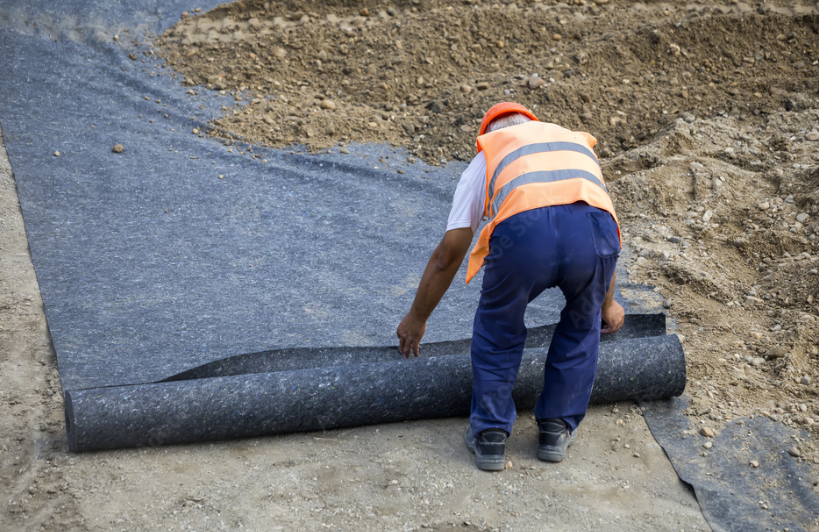
- Avoid dragging geotextiles across rough surfaces to prevent puncture
Conclusion
Understanding the relationship between geotextile weight and puncture resistance is essential for designing durable and efficient construction systems. Selecting the correct weight ensures the fabric withstands installation stresses, protects drainage and filtration systems, and provides long-term performance in roads, retaining walls, landfills, and erosion control projects.
Proper selection, handling, and installation maximize the benefits of geotextiles while minimizing maintenance and failure risks.
Frequently Asked Questions
How does geotextile weight affect puncture resistance?
Higher-weight geotextiles are thicker and denser, providing greater puncture resistance, while lightweight fabrics offer less protection.
Which geotextile weight is suitable for highways?
Medium to heavyweight geotextiles (200–600 gsm / 6–18 oz/yd²) are recommended for highways due to higher load and puncture requirements.
Can lightweight geotextiles be used in landscaping?
Yes, they are sufficient for low-stress applications such as garden drainage and small-scale erosion control.
Why is puncture resistance important?
It prevents tears during installation and protects drainage, filtration, and structural functions over the geotextile’s lifespan.
How long do geotextiles last?
With proper installation and protection, geotextiles can last several decades, maintaining performance under designed loads.