Energy Resilience in Low-Grid Areas: Why Hybrid and Energy Storage Inverters Matter
In today’s hyper-connected world, electricity is no longer a luxury, it is a lifeblood. However, for millions of homeowners and businesses in regions with weak or unreliable grid infrastructure, the “flicker” of a failing power line is a daily reality.
Frequent outages, severe voltage instability, and scheduled load shedding don’t just cause inconvenience; they disrupt livelihoods and damage expensive equipment. Traditional power solutions, like basic grid-tied solar or loud, fuel-thirsty generators, often fall short of providing true independence. To achieve genuine energy resilience, we must look toward integrated technology: the hybrid inverter.
What Defines a Low-Grid or Weak-Grid Power Environment?
A “low-grid” environment isn’t just about total blackouts. It is characterized by unpredictable availability and voltage fluctuations, surges or brownouts that can fry the delicate circuitry of modern appliances.
In these areas, people often rely on noisy diesel generators to bridge the gap. While functional, generators are expensive to maintain and provide no solution for the split-second gaps in power. Basic grid-tied solar systems also fail here; without a battery-backed off grid inverter or hybrid setup, most solar arrays are designed to shut down during a grid failure for safety reasons, leaving you in the dark despite the sun shining above.
Why Inverter Technology Is Central to Energy Resilience
The inverter is the “brain” of your energy system. Its primary job is to convert DC (Direct Current) electricity from solar panels or batteries into the AC (Alternating Current) power used by your home.
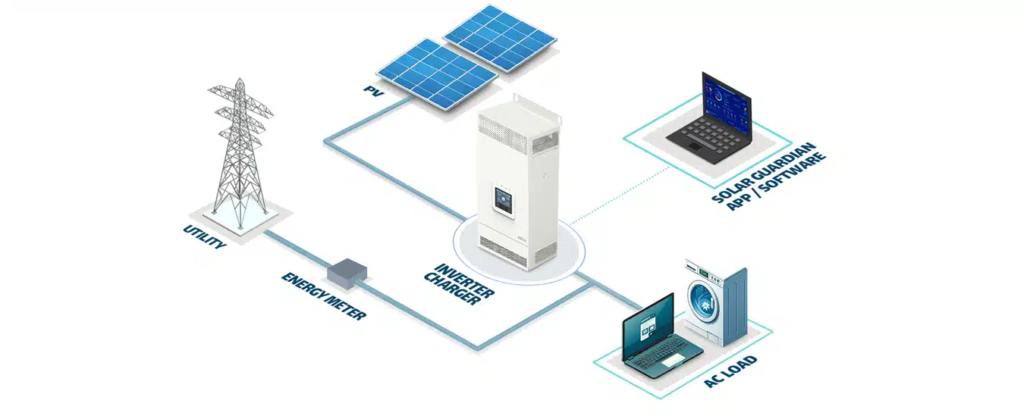
In unstable regions, a standard inverter isn’t enough. You need integrated energy management. This is where an inverter charger becomes essential. These units do double duty: they convert power for your loads and manage the charging of your battery bank from either solar or the grid when it’s available, ensuring you have a reservoir of energy ready for the next outage.
How Hybrid Inverters Improve Power Continuity
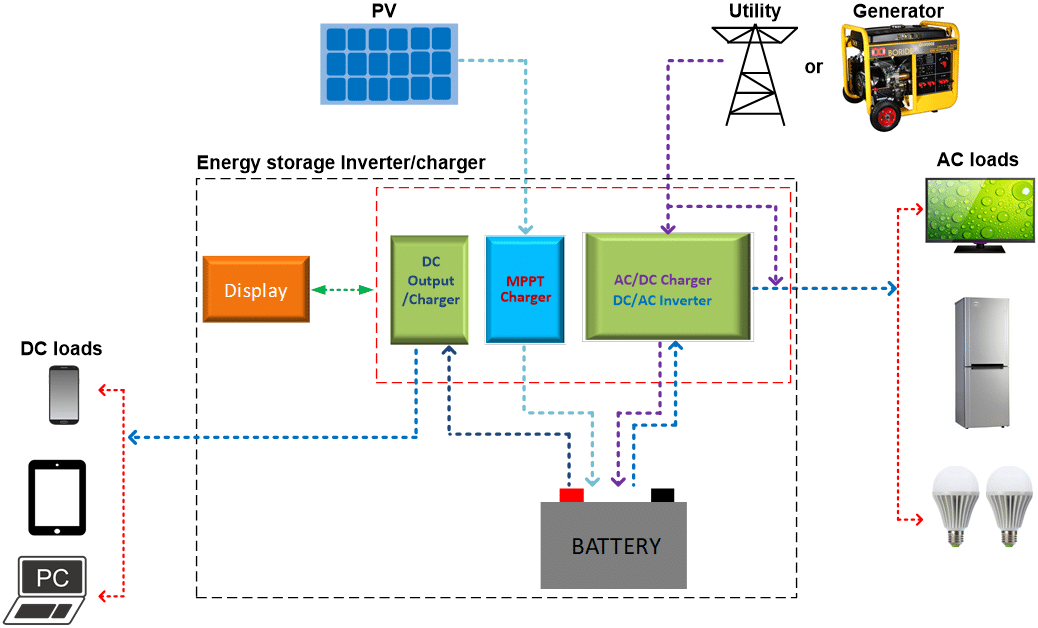
A hybrid inverter is the ultimate coordinator for energy resilience. Unlike traditional models, it can simultaneously manage inputs from:
- Solar Panels: Prioritizing free, green energy.
- Battery Storage: Storing excess solar for night use or emergencies.
- The Grid/Generator: Supplementing power only when necessary.
The magic of a hybrid system lies in seamless switching. When the grid goes down, the inverter detects the failure in milliseconds, transitioning your home to battery power so quickly that your computer or TV won’t even flicker.
See also: Unlocking Molecular Insights with Advanced Fluorescence Techniques
Reliable Backup Power Without Generator Dependence
For years, the only answer to a weak grid was a backup generator. But today’s energy storage inverter technology offers a cleaner, quieter, and more cost-effective alternative.
| Feature | Diesel Generator | Inverter + Battery System |
| Noise | High | Silent |
| Maintenance | Frequent oil/filter changes | Minimal |
| Fuel Cost | High (Ongoing) | Zero (if paired with solar) |
| Response Time | 10–30 seconds | < 20 milliseconds |
This makes inverter-based backup ideal for homes, small medical clinics, and community facilities where noise and fumes are unacceptable.
Power Quality and Equipment Protection
Availability is only half the battle; quality matters just as much. Cheap inverters often produce “modified sine wave” power, which can cause motors to run hot and sensitive electronics to malfunction.
In weak-grid environments, using a pure sine wave inverter is non-negotiable. It provides a clean, smooth waveform identical to (or better than) the utility grid. This protects your investment in refrigerators, pumps, and laptops, ensuring they run efficiently and last longer.
Supporting Off-Grid and Semi-Off-Grid Solar Systems
In truly remote areas where the grid doesn’t reach at all, an off grid inverter is the heart of the infrastructure. These systems are designed for 24/7 heavy-duty cycling.
Modern off-grid and hybrid setups allow for sophisticated charging strategies. For example, you can program the system to prioritize solar charging during the day and only use the grid (if available) during off-peak hours to top up batteries, optimizing every watt for maximum ROI.
Scalable and Future-Ready Energy Infrastructure
One of the greatest benefits of modern hybrid systems is scalability. You don’t need to build a massive power plant on day one. You can start with a reliable inverter and a small battery bank, then expand your solar array or storage capacity as your needs or your budget, grow. With smart monitoring interfaces, you can track your energy production and consumption in real-time via your smartphone, making you an active participant in your own energy security.
Conclusion
Living in a low-grid region shouldn’t mean living in uncertainty. By shifting from passive consumption to active energy management with hybrid inverters and inverter chargers, you can build a system that is both resilient and independent. Whether you are protecting a home or powering a business, investing in pure sine wave technology and robust energy storage is the surest way to turn the lights on, and keep them on.
Ready to secure your power supply? Explore EPEVER’s full range of energy storage inverters and off-grid solutions to find the perfect fit for your resilience needs.