Controlling Water Flow Is Critical to Long Term Home Care
Water is one of the most destructive forces a home deals with, not because of dramatic events, but because of slow and repeated exposure. Most exterior damage does not come from storms or flooding. It comes from everyday rainfall that is not guided where it needs to go. Over time, even small amounts of misdirected water can create problems that are expensive to correct.
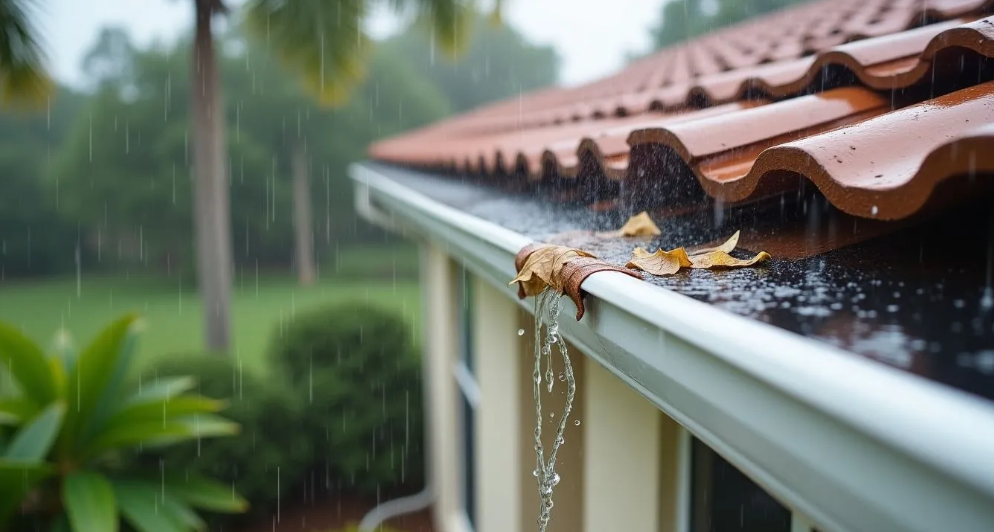
Homes are designed to shed water in stages. Roofs push it downward. Slopes move it away. Exterior surfaces are built to resist short term contact, not constant saturation. When water lingers or flows in unintended paths, materials begin to weaken. Paint peels, wood swells, and masonry absorbs moisture it was never meant to hold.
One of the reasons these issues go unnoticed is that water does not announce itself. It quietly finds the easiest route, often along edges, seams, and joints. You may not see the effects until staining appears, joints open, or interior moisture becomes apparent. By that point, the cause may have been present for years.
Exterior maintenance professionals tend to think about water behavior before surface appearance. They look at where runoff travels during heavy rain, where splash back occurs, and which areas stay damp long after weather clears. These patterns reveal far more about long term risk than how clean a surface looks on a dry day.
Managing runoff effectively reduces stress on many parts of the home at once. When water is guided away as intended, siding stays drier, trim lasts longer, and foundations are less likely to experience moisture related movement. This is why maintenance that focuses on water control often delivers more value than purely cosmetic improvements.
In practice, this broader approach sometimes includes services homeowners do not immediately associate with water management. A gutter cleaning service, for example, is often part of ensuring runoff moves away from the structure rather than spilling into vulnerable areas. When these systems function properly, they quietly prevent a chain reaction of damage elsewhere.
What experienced eyes notice is that homes with fewer moisture issues tend to have one thing in common. Water is not allowed to linger. It is directed, dispersed, and moved away consistently. This does not require major renovations. It requires awareness of how small maintenance tasks contribute to long term protection.
Thinking about exterior care through the lens of water movement changes priorities. Instead of reacting to visible damage, homeowners can focus on preventing the conditions that cause it. Over time, that mindset reduces repairs, preserves materials, and keeps the structure performing the way it was intended to.