Common Mistakes to Avoid When Buying Explosion Proof Lighting in Australia
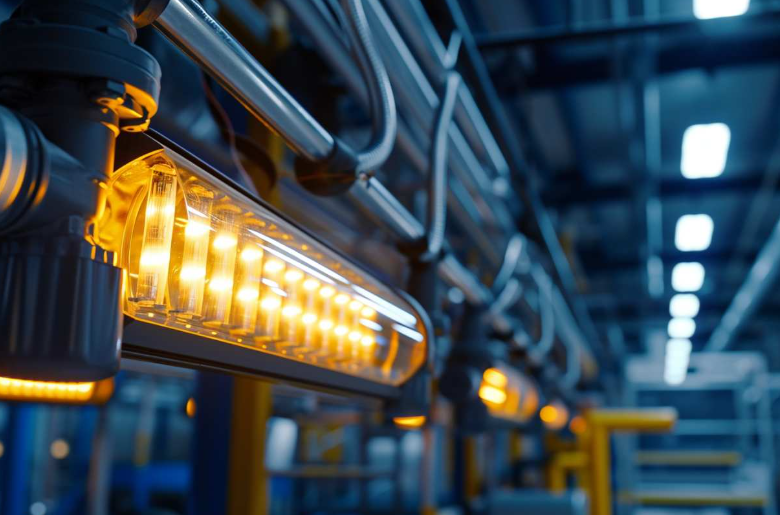
Buying explosion proof lighting is not something most businesses do every day, but in hazardous environments, it is one of the most important safety decisions you will make. Whether you operate in mining, oil and gas, chemical processing or heavy manufacturing, the wrong lighting choice can lead to compliance issues, higher costs and serious safety risks. That is why companies across the country take time to understand their options when sourcing explosion proof lighting Australia .
To help you make a confident and informed decision, here are the most common mistakes to avoid when buying explosion proof lighting in Australia and how to steer clear of them.
1. Choosing Non Certified or Incorrectly Certified Lighting
One of the biggest mistakes buyers make is assuming that any rugged or industrial looking light is explosion proof. In reality, explosion proof lighting must meet strict certification requirements.
In Australia, IECEx explosion proof lights Australia are widely recognised and often required for hazardous zones. Some facilities may also need ATEX certification depending on their application. Buying lighting without proper certification can result in failed inspections, safety risks and costly replacements.
Always verify that the product is certified for your specific hazardous zone and that documentation is available.
See also: Why Homeowners Choose Airoom for Complex Remodeling Projects
2 .Not Understanding Your Hazardous Area Classification
Explosion proof lighting is not one size fits all. Different areas are classified based on how often explosive atmospheres are present and what type of hazard exists.
A common error is purchasing lighting without fully understanding whether your area is Zone 1, Zone 2 or classified for combustible dust. This can lead to under rated fixtures being installed in higher risk zones.
Before buying, confirm observed area classification and ensure the lighting is specifically rated for that environment.
MineGlow simplifies this process by helping customers correctly identify their hazardous zones and select certified lighting that matches each classification. With deep experience across mining, oil and gas and industrial facilities, MineGlow ensures the right explosion proof lighting is used in the right place, reducing risk and improving long term reliability.
3. Focusing Only on Price
It is tempting to choose the lowest priced option, especially when lighting large facilities. However, focusing only on upfront costs can be an expensive mistake.
Cheaper products may lack durability, have shorter lifespans or require frequent maintenance. In hazardous areas, maintenance is not just costly but also risky.
Reputable explosion proof lighting suppliers Australia focus on long term value, offering products that deliver reliability, compliance and reduced operating costs over time.
4. Ignoring Operating Conditions
Hazardous environments are often harsh. Heat, vibration, moisture, corrosion and dust can quickly degrade lighting that is not designed for those conditions.
Some buyers select lighting based on certification alone, without considering real world operating factors. This can result in premature failures and poor performance.
Always consider where the light will be installed and whether it is suitable for the environmental stresses of that location.
5. Overlooking Energy Efficiency
Older explosion proof lighting technologies can be energy intensive and generate excess heat. While they may meet safety requirements, they can increase operating costs and cooling demands.
Modern LED based explosion proof lighting offers better efficiency, longer lifespan and lower heat output. Failing to consider energy efficiency means missing out on long term savings and improved performance.
6. Choosing the Wrong Supplier
Not all suppliers understand hazardous environments. A common mistake is purchasing from general lighting vendors who lack experience with hazardous area applications.
Experienced explosion proof lighting suppliers Australia provide more than just products. They offer guidance on compliance, correct selection and installation best practices.
Working with a knowledgeable supplier reduces risk and ensures the lighting solution is right for your application.
7. Ignoring Installation and Maintenance Requirements
Even certified lighting can become unsafe if installed incorrectly. Some buyers fail to consider installation requirements, cable management or mounting methods.
Explosion proof lighting must be installed according to manufacturer instructions to maintain certification. Ongoing maintenance also needs to follow strict procedures.
Planning for proper installation and maintenance from the start helps avoid compliance issues and extends the lifespan of your lighting system.
8. Not Planning for Future Needs
Facilities evolve over time. Production expands, layouts change and regulations are updated. Buying lighting without considering future requirements can limit flexibility.
Choosing modular, upgrade friendly lighting solutions allows facilities to adapt without major reinvestment.
How to Make a Smarter Buying Decision
Avoiding these mistakes starts with asking the right questions. Understand your hazard classification, verify certifications, evaluate operating conditions and work with suppliers who specialise in hazardous lighting.
Taking a strategic approach helps protect workers, meet regulations and achieve long term value.
Buy Explosion Proof Lighting with Confidence Using MineGlow
Buying explosion proof lighting in Australia does not have to be complicated or risky. By avoiding common mistakes and working with the right partner, you can create safer, more reliable facilities that stand the test of time.
MineGlow provides certified explosion proof lighting solutions designed for Australian hazardous environments. With a strong focus on compliance, performance and expert support, MineGlow helps businesses make confident lighting decisions.
Frequently Asked Questions
1. What certification is required for explosion proof lighting in Australia
IECEx certification is widely recognised in Australia and is commonly required for hazardous area lighting.
2. Are ATEX and IECEx the same
They are similar but not identical. ATEX is primarily used in Europe, while IECEx is internationally recognised and commonly preferred in Australia.
3. Why should I choose a specialist supplier
Specialist suppliers understand hazardous area classifications, certification requirements and real world operating conditions.
4. Is LED explosion proof lighting worth the investment
Yes, LED explosion proof lighting offers longer lifespan, better energy efficiency and lower maintenance costs over time.