Balancing Durability and Design in Rental Property Improvements
Every landlord reaches this point sooner or later. You invest time and money updating a rental, it looks great on day one, and then a year later you are dealing with scuffed walls, worn flooring, and fixtures that no longer feel fresh. The challenge is clear. How do you improve a rental property so it looks appealing to tenants while still standing up to everyday use?
This is where many property owners go wrong. Some focus entirely on durability and end up with spaces that feel plain or outdated. Others lean heavily into design and discover that repairs and replacements quickly eat into their returns. The right approach sits comfortably in the middle.
Why Design Choices Matter in Rental Homes
Design plays a bigger role in lettings than many landlords realise. Tenants often make decisions within minutes of viewing a property. A clean, well-finished interior signals care, quality, and value.
In competitive markets, including rental property bolton areas, visual appeal can directly affect how quickly a property is let and the type of tenant it attracts. A well-designed space does not need to be trendy. It needs to feel practical, comfortable, and easy to live in.
For those looking for a rental property bolton, staying proactive and prepared is key since desirable homes are often let within days of listing.
At the same time, design should never ignore how the property will be used day after day. A rental is not treated the same way as an owner-occupied home, and improvements should reflect that reality.
Understanding Wear and Tear in Let Properties
Rental properties experience a unique kind of use. Tenants move furniture more often, walls see more contact, and kitchens and bathrooms are used daily by different people with different habits.
High-use areas need extra thought
Entrance halls, stairs, living rooms, kitchens, and bathrooms take the most strain. These areas deserve the most attention when planning improvements. Choosing finishes that cope well with frequent use can significantly reduce ongoing maintenance.
Different tenants, same space
One tenancy might involve a young professional, the next a family. Improvements should work for a wide range of lifestyles. Neutral finishes and practical layouts make a property adaptable without needing changes between lets.
Choosing Materials That Balance Looks and Longevity
Flooring that makes sense
Flooring is one of the most common pain points for landlords. Carpets can look inviting but often need replacing after a few years. Hard flooring options such as quality laminate or vinyl planks offer a good balance. They are easier to clean, resist marks better, and suit modern interiors.
For a rental property bolton market where tenants often expect low-maintenance living, these flooring choices can be a sensible long-term decision.
Paint finishes that last longer
Colour choice matters, but so does paint quality. Neutral shades work best as they suit most tastes and photograph well for listings. More importantly, durable and washable paint finishes make it easier to deal with marks between tenancies without a full repaint.
This small detail can save both time and money over the life of the property.
Kitchens built for regular use
Kitchens are often the deciding factor for tenants. They also suffer the most wear. Flat-fronted units, simple handles, and easy-clean surfaces tend to age better than highly decorative designs. Worktops should be chosen for practicality rather than appearance alone.
A kitchen that looks clean and functions well will always outperform one that simply follows current trends.
Bathrooms That Stay Presentable for Longer
Bathrooms benefit from clear, simple design. Large-format tiles reduce grout lines, making cleaning easier. Wall-mounted units can improve the sense of space while protecting floors from water damage.
Choosing standard fittings rather than unusual shapes or finishes also makes future repairs simpler. When something needs replacing, availability matters.
See also: Best Flush Door Designs for Minimalist Homes
Designing With Maintenance in Mind
Good rental design considers what happens after tenants move out, not just how the space looks on move-in day.
Easy access and simple repairs
Fixtures and fittings should be easy to reach and straightforward to replace. Overly complex lighting, custom fittings, or unusual parts often cause delays and extra costs when repairs are needed.
Fewer details, fewer problems
Clean lines and uncomplicated layouts reduce the number of elements that can break or wear out. This does not mean the property has to feel basic. It simply means every feature should earn its place.
Avoiding Short-Term Trends
Trends come and go quickly. What looks current today may feel tired in a few years. Rental properties benefit far more from timeless choices.
Neutral colours, simple finishes, and classic layouts give landlords flexibility. When styles change, small updates such as new accessories or a fresh coat of paint are enough to refresh the space.
This approach also helps attract a wider range of tenants, increasing demand and reducing void periods.
How Durability Supports Better Returns
Durable design choices often cost slightly more at the start, but they tend to pay for themselves over time. Fewer repairs, less frequent replacements, and smoother changeovers between tenancies all contribute to better overall returns.
In established letting markets like rental property bolton locations, landlords who invest wisely in durable improvements often see longer tenancies and fewer issues during occupancy.
Sustainability Without Overcomplicating Things
Durability and sustainability often go hand in hand. Materials that last longer reduce waste and replacement costs. Energy-efficient lighting, reliable heating systems, and good insulation improve tenant comfort while keeping running costs under control.
These improvements may not always be visible, but tenants appreciate lower bills and comfortable living conditions.
Planning Improvements Before You Start
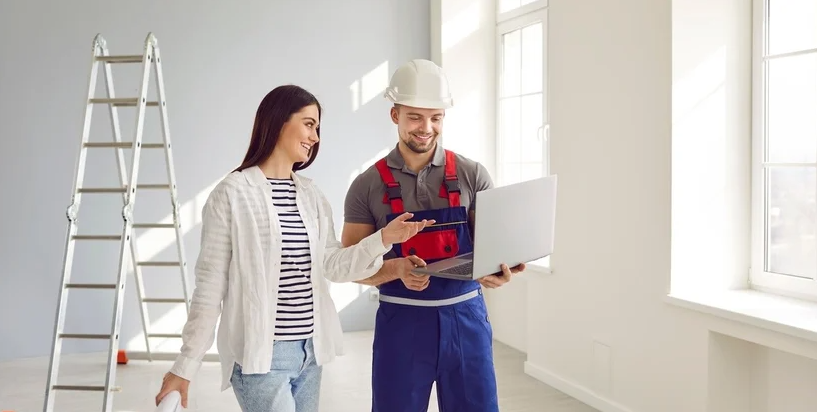
Before committing to any upgrade, it helps to step back and think long term. Ask whether the improvement will still look good after several tenancies and whether it will be easy to maintain.
A clear plan prevents overspending and ensures every decision supports the property’s letting potential.
Conclusion
Balancing durability and design is not about choosing one over the other. It is about making thoughtful decisions that work for both landlords and tenants. Well-chosen materials, simple layouts, and timeless finishes create rental homes that remain appealing without constant upkeep.
For landlords operating in areas such as rental property bolton, this balance can make a noticeable difference in how quickly a property lets and how smoothly it runs over time. When improvements are planned with real-life use in mind, the result is a rental that performs well long after the keys are handed over.