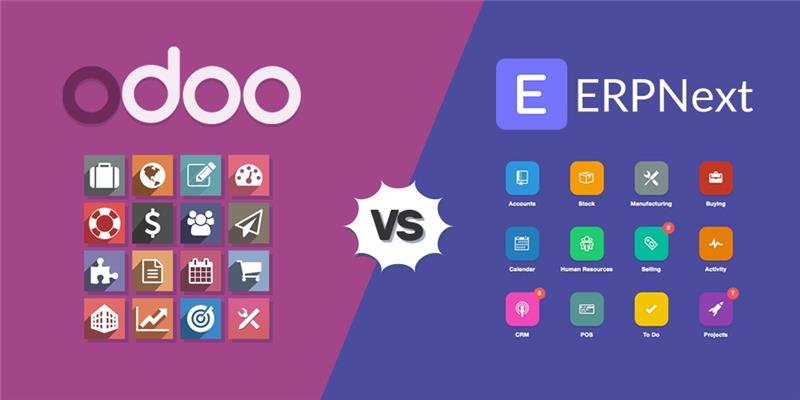
Odoo Development vs Ready-Made ERP: What Should You Choose?
Introduction
ERP systems in large enterprises have come a long way from rigid giants that behaved like stubborn uncles at family dinners to platforms that now promise flexibility without throwing discipline out the window. The catch is that choosing between Odoo Development Services and a ready-made ERP is not a walk in the park; it is more like picking between a tailored suit and one that almost fits but pinches at the worst time.
Standardization brings order to systems, but its strictness creates limitations, while organizations can avoid problems through customized solutions. This decision quietly decides scalability, cost sanity, and future headaches. The blog provides information to help readers make a decision that will protect their financial records from future issues.
Why Are Enterprises Reconsidering ERP Choices in the Age of Digital Transformation?
Enterprises today are reassessing their ERP systems as evolving business demands expose the limitations of legacy platforms and highlight the need for more agile, connected, and real-time solutions.
Scaling challenges
Growth sounds great until the ERP starts wheezing like it ran a marathon without training, systems built for yesterday struggle to handle new markets and volumes, and this is where Odoo Development Services quietly steps in to keep things from falling apart at the seams.
Siloed systems
Departments sitting on their own data like dragons guarding treasure create chaos: nothing talks to anything, and decisions feel like guesswork. Enterprises are done babysitting disconnected systems that behave like coworkers who refuse to reply to emails.
Real-time insights
Waiting for reports feels like waiting for a delayed flight with no updates; by the time insights arrive, the moment is gone. Businesses now want data that speaks now, not after the damage is done.
Competitive pressure
The competitive environment has intensified because companies using outdated technology need to upgrade their systems, and organizations that continue to operate with inflexible ERP systems face inevitable defeat, except for the process that they implemented.
What is the Core Difference Between Odoo Development Services and Ready-Made ERP Solutions?
To understand which approach truly supports long-term growth, it’s important to compare how custom-built flexibility stacks up against standardized ERP solutions.
Custom vs standard
Odoo Development Services feels like a tailored suit stitched to fit every curve of the business, while a ready-made ERP is that off-the-rack option that looks fine until it starts suffocating processes; one adapts to needs, and the other expects blind adjustment.
Flexibility levels
Flexibility in custom Odoo builds is real and not just a marketing promise. Ready-made ERP often claims flexibility but behaves like a locked door with a polite sign that says good luck.
Ownership model
With Odoo Development Services, there is control over features and future changes; ready-made ERP keeps the strings in its own hands, and that control gap can sting when priorities shift.
Adaptability scope
Business evolves fast, and custom solutions keep pace without drama, while standard ERP often drags its feet like it has all the time in the world, which frankly, no business does.
What Makes Ready-Made ERP Solutions Appealing for Enterprise Leaders
Despite their limitations, ready-made ERP solutions continue to attract enterprise leaders for their convenience, speed, and reliability right from the start.
Faster rollout
Ready-made ERP gets things moving quickly, and that speed feels like a blessing when timelines are breathing down the neck, no long build cycles and no endless discussions, just plug in and go, even if it quietly hides future compromises.
Proven frameworks
These systems come with tried-and-tested structures that have seen enough business drama to survive; they follow known paths and reduce surprises, which sounds comforting until uniqueness starts begging for attention and gets ignored.
Vendor ecosystem
A strong vendor network means support is always around the corner, there is always someone to call when things break, though sometimes it feels like being stuck in a long queue where everyone else had the same idea.
Lower upfront effort
Less initial effort makes it an easy yes, no heavy lifting and no deep involvement, but skipping effort upfront can sometimes mean paying for it later when the system refuses to bend and simply stares back blankly.
Where Do Ready-Made ERP Systems Fall Short for Complex Enterprises?
As enterprise needs grow more complex, the limitations of ready-made ERP systems become increasingly difficult to ignore.
Process rigidity
Businesses lose their operational flexibility because ready-made ERP systems require them to follow unchangeable workflows, creating permanent limitations, and force them to operate through standard processes, resulting in the system taking control of the entire organization.
Hidden costs
What looks affordable at first can quietly pile up costs through add-ons and change requests; it is like ordering a simple meal and ending up with a bill that calls into question life choices, which is where Odoo Development Services offers clarity.
Integration limits
Connecting with other tools can become a stubborn puzzle; systems resist smooth integration, and teams spend time fixing what should have worked out of the box. Patience runs thin when technology refuses to cooperate.
Innovation barriers
Trying new ideas becomes a slow struggle as standard ERP resists change; it moves like a rusted machine, and by the time updates happen, the opportunity has already packed its bags and left.
What Exactly Are Odoo Development Services and How Do They Enable Enterprise Customization?
To see how true customization comes to life, it helps to break down the core elements that make Odoo development both flexible and scalable.
Modular system
Odoo Development Services work on a modular setup where features are added as needed, not dumped all at once; it is like building with blocks instead of dragging a giant system that does ten things no one asked for.
Tailored workflows
Workflows are shaped around actual business operations, not forced into awkward patterns; processes finally behave the way teams expect, rather than acting like they have their own attitude problem.
Open source base
The open-source nature gives the freedom to modify without begging for permission; there is transparency and control, unlike closed systems that guard access like a grumpy gatekeeper on a power trip.
Scalable architecture
As the business grows, the system grows without drama, no sudden breakdowns or panic moments; it keeps pace smoothly instead of throwing tantrums when pressure increases.
How Does Cost Structure Differ Between Odoo Development Services and Ready-Made ERP?
A closer look at the cost dynamics reveals how each approach impacts both immediate spending and long-term financial value.
Licensing model
Odoo Development Services keeps licensing flexible with fewer surprises, while ready-made ERP often comes with rigid fees that keep showing up like uninvited guests who refuse to leave.
Implementation cost
Initial costs in custom development may look higher, yet they reflect actual needs. Ready-made ERP feels cheaper at first, but often hides behind-the-scenes effort that shows up later when things start breaking.
Long-term ROI
Returns from tailored systems stay consistent because the solution fits from day one, while standard ERP can slowly drain value, like pouring water into a bucket with a very polite but very real hole.
Upgrade expenses
Upgrades in Odoo stay controlled and planned; changes happen with purpose, while ready-made ERP upgrades can feel like forced renovations that disrupt everything and still expect gratitude at the end.
See also: How Coffee Seller Connects Buyers with the Right Coffee Technology
What Risks Should Enterprises Consider Before Choosing Odoo Development Services?
While Odoo development offers significant advantages, it’s important for enterprises to recognize the potential risks that come with a highly customized approach.
Implementation risk
Odoo Development Services require careful planning because poor execution can turn a smart decision into a slow-moving disaster. Without clarity, things spiral, and the system starts behaving like it missed the memo entirely.
Talent dependency
The solution’s effectiveness depends on the team handling it, because the wrong skills create more issues than they solve, and resolving the problem later resembles cleaning up a situation that should never have occurred.
Governance gaps
Without strong oversight, customization can go off track, too many changes without direction create confusion, and suddenly the system looks less like a solution and more like a collection of random ideas stitched together.
Timeline overruns
Custom projects can stretch timelines if not managed well, delays creep in quietly and then refuse to leave, which is frustrating when expectations were set with confidence and reality decides to argue back.
When Should Enterprises Prioritize Odoo Development Services for Long-Term Value?
Enterprises should consider this approach when their strategic goals and operational complexity demand more than what standard ERP systems can offer.
Custom operations
Odoo Development Services make sense when operations refuse to fit into standard molds. Forcing unique workflows into rigid systems is like trying to teach a fish to climb a tree; it wastes time and tests patience without delivering results.
Growth strategy
When expansion is part of the plan, systems must keep up without constant fixes, and custom solutions grow alongside the business instead of slowing it down at every milestone like an uninvited speed bump.
Digital maturity
Organizations with clear digital direction need systems that align with their vision, not tools that drag behind, because relying on outdated setups at this stage feels like knowingly choosing chaos.
Cost control
Long-term cost stability becomes critical when operations scale. Odoo Development Services helps manage expenses with clarity, unlike standard ERP systems, which quietly add costs until budgets raise uncomfortable questions.
How Can C-Level Leaders Choose Between Odoo Development Services and Ready-Made ERP with Confidence?
Making the right choice requires a structured approach that balances strategy, risk, and long-term business impact.
Decision framework
A clear framework keeps emotions and random opinions out of the room; choices should be based on business needs and future plans, not on who gave the most convincing sales pitch over coffee.
ROI evaluation
Comparing returns requires looking beyond shiny demos. Odoo Development Services often deliver value over time, while ready-made ERP may look attractive upfront, but quietly chip away at returns like a slow leak.
Risk assessment
Every option carries risk, and ignoring that is asking for trouble. Understanding trade-offs early saves regret later, because fixing a bad decision costs far more than making a careful one.
Vendor selection
Choosing the right partner matters more than the solution itself; the wrong vendor can turn even a good system into chaos, while the right one keeps everything steady without unnecessary drama.
Conclusion
Choosing between Odoo Development Services and ready-made ERP comes down to a simple truth: one bends to the business, while the other expects the business to bend without complaint. Standard ERP offers speed and structure but often comes with limits that show up at the worst possible time, while Odoo brings control, flexibility, and ownership that actually support long-term plans.
The real game is not about quick wins but about building something that does not fall apart under pressure. A well-aligned ERP strategy keeps operations steady and growth sane, because no one wants a system that behaves well in demos and misbehaves in reality.