Milling Machine Service Checklist: The 7 Most Common Repairs You Can Prevent With Regular Maintenance
Introduction
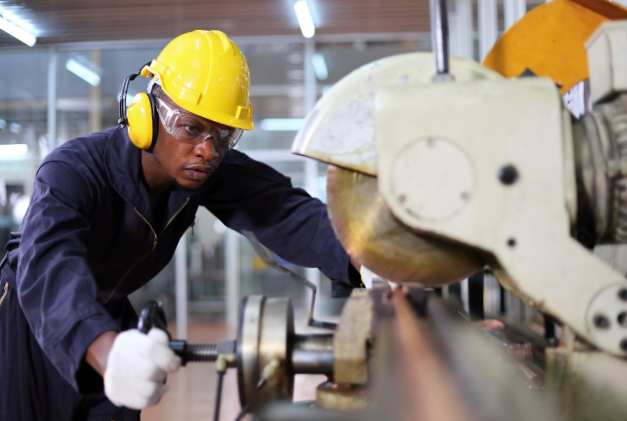
Milling machines are vital to manufacturing processes across a wide range of industries, from automotive to aerospace. However, like all heavy machinery, they are susceptible to wear and tear, especially when operating under heavy loads or in demanding environments. While most milling machine owners focus on production output, the key to ensuring smooth, long-lasting operation lies in preventive maintenance.
Without regular servicing, small issues can snowball into costly repairs, extended downtime, and reduced machine lifespan. A milling machine service checklist can help identify key maintenance tasks that, when performed consistently, can prevent the most common repairs and improve overall performance. By proactively addressing these concerns, you can significantly extend the life of your machine and keep production on track.
Here are the seven most common milling machine repairs that can be avoided with regular maintenance.
1. Worn Bearings and Spindles
Problem: Over time, milling machines accumulate wear on the bearings and spindles. Worn bearings cause excessive friction, leading to overheating, noise, and vibration, while spindles may begin to lose alignment.
How to Prevent:
- Regularly inspect bearings for signs of wear, such as unusual noise or resistance.
- Lubricate bearings as per the manufacturer’s guidelines.
- Ensure proper spindle alignment and clean regularly to prevent contamination.
By addressing these early, you can avoid costly spindle replacements and the need for extensive repairs to the drive system.
Impact on Performance:
- Improves precision
- Reduces vibration and noise
- Increases the machine’s operational lifespan
2. Misalignment of the Machine Bed and Table
Problem: A misaligned machine bed or table can lead to poor accuracy, excessive tool wear, and uneven surface finishes on parts. Misalignment may happen gradually due to normal operation, particularly with heavy use.
How to Prevent:
- Regularly check and adjust the alignment of the machine bed and table.
- Use precision measuring tools to verify perpendicularity and flatness.
- Calibrate the table after any significant repositioning or modification.
By addressing misalignment early, you can prevent precision losses, avoid rework, and enhance the quality of parts produced.
Impact on Performance:
- Increases part accuracy
- Reduces scrap material and rework
- Minimizes tool wear
3. Overheating and Excessive Heat Buildup
Problem: Milling machines that run continuously can accumulate excess heat, which may cause components to warp, oil to degrade, and overall machine performance to suffer.
How to Prevent:
- Ensure proper cooling systems are in place and functioning, including coolant flow and cooling fans.
- Clean heat sinks, vents, and other heat-dissipating components regularly.
- Check the coolant level and quality, replacing it as needed to maintain its efficiency.
By preventing overheating, you can avoid expensive repairs caused by warped components and reduce the strain on the machine’s motor and cooling systems.
Impact on Performance:
- Prevents overheating damage to components
- Maintains consistent performance over long runs
- Reduces the frequency of repairs related to thermal issues
4. Dull or Damaged Cutting Tools
Problem: Worn or damaged cutting tools can significantly affect the performance of milling machines, resulting in slower cutting speeds, poor surface finish, and a higher likelihood of tool breakage.
How to Prevent:
- Regularly inspect cutting tools for signs of wear or damage, such as chipping or dullness.
- Replace tools at the first signs of wear to prevent further damage.
- Ensure that tools are properly sharpened, or consider using advanced coating technologies for longevity.
By keeping tools in good condition, you reduce the chances of costly tool breakages and maintain high-quality production.
Impact on Performance:
- Improved cutting speed and precision
- Reduced downtime from tool breakages
- Extended tool lifespan
5. Contaminated or Insufficient Lubrication
Problem: Insufficient or contaminated lubrication can lead to friction and increased wear, causing parts to seize or break. A lack of lubrication can also cause overheating and loss of machine efficiency.
How to Prevent:
- Regularly check the lubrication system and replace the oil as recommended by the manufacturer.
- Inspect the lubrication delivery system for clogs or blockages.
- Ensure that the lubrication system is free of contaminants to maintain fluid flow.
Proper lubrication ensures smoother operation, reducing friction and preventing excessive wear and tear on moving parts.
Impact on Performance:
- Reduces friction and wear
- Increases machine uptime
- Prevents overheating and premature failures
6. Electrical Component Failures
Problem: Milling machines rely on various electrical components, including motors, controllers, and wiring. Electrical failures can occur due to corrosion, overheating, or general wear, leading to malfunctioning or complete failure.
How to Prevent:
- Regularly inspect electrical wiring and connections for damage, corrosion, or loose connections.
- Clean and maintain electrical components to prevent dust buildup and overheating.
- Schedule routine checks for motor performance, ensuring it runs smoothly without excessive strain.
Preventing electrical failures requires vigilance in keeping components clean, secured, and well-maintained, which can prevent complete system shutdowns.
See also: Building a Scalable Telehealth Practice: Operational Essentials
Impact on Performance:
- Reduces the likelihood of complete electrical failure
- Prevents machine downtime and operational disruption
- Extends the lifespan of electrical components
7. Accumulation of Debris and Dust
Problem: Dust and debris can accumulate inside milling machines, causing damage to delicate components, blocking cooling systems, or affecting the machine’s performance.
How to Prevent:
- Regularly clean the interior of the machine, removing dust and chips from moving parts.
- Use industrial-grade vacuums or air blowers to clean hard-to-reach areas.
- Install dust collectors and air filters to reduce airborne contaminants.
By keeping the machine free of debris, you reduce the risk of malfunction and keep the components running smoothly.
Impact on Performance:
- Improves machine efficiency
- Reduces wear and contamination
- Prevents clogging of cooling systems
Conclusion
Regular milling machine service is the key to preventing costly breakdowns and ensuring smooth, efficient operations. By following this checklist and proactively addressing common issues like bearing wear, misalignment, overheating, tool wear, lubrication problems, electrical failures, and debris accumulation, manufacturers can reduce downtime, extend the life of their equipment, and keep production schedules on track.
Preventive maintenance is an investment that pays off in reduced repair costs, improved precision, and enhanced overall performance. By staying on top of these tasks, manufacturers ensure that their milling machines continue to operate at peak performance, reducing both unplanned downtime and maintenance costs in the long run.