
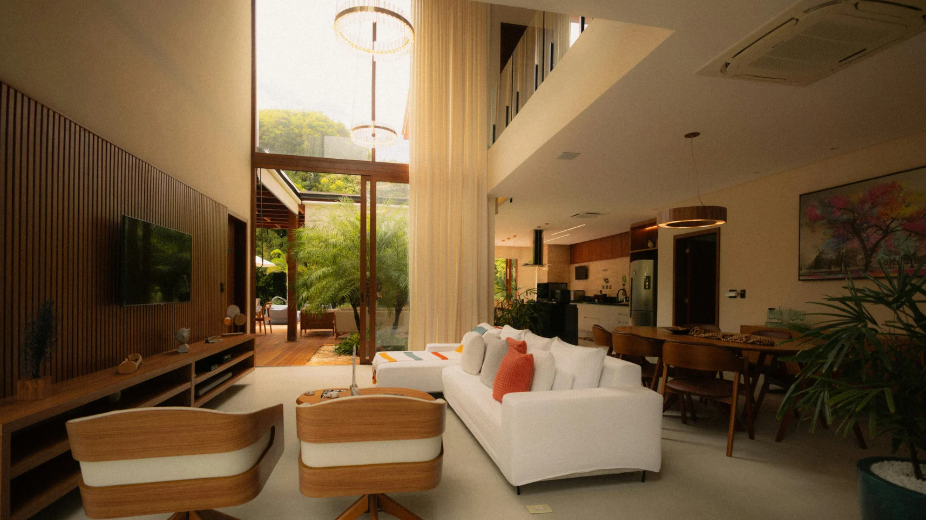
Role of Natural Light in Residential Architecture
Natural light is one of the most influential features in residential architecture because it shapes how a home feels from the moment someone walks inside. Beyond making interiors brighter, natural daylight affects comfort, functionality, and the way a space supports everyday living. It helps rooms feel more open, creates warmth in shared areas, and enhances the way finishes and materials look throughout the day. In modern home design, natural light is also tied to energy performance and indoor wellness, making it an essential element rather than a decorative detail.
Homeowners who work with a professional residential architect in Atlanta often discover that light planning is not limited to window sizing. Instead, it includes a combination of orientation, layout design, ceiling design, and outdoor coordination. When all of these factors work together, natural light becomes part of the home’s structure and experience rather than an afterthought.
Happiness in intelligent people is the rarest thing I know. We are masters of the unsaid words, but slaves of those we let slip out. Every man desires to live long, but no man wishes to be old.
Why natural light matters in home design
A naturally bright home usually feels more inviting and comfortable because daylight supports the way people live in the space. Morning sun can create a refreshing start to the day, while steady daylight in living areas supports a calm environment for family gatherings or quiet downtime. Many homeowners also appreciate that daylight makes smaller rooms feel larger and reduces the heavy atmosphere that can occur in dark interiors.
Natural light also improves the visual quality of a home by making materials look more authentic. Paint colors appear truer, wood textures feel richer, and the overall atmosphere becomes more balanced. These changes may seem subtle, but they affect how people experience the home on a daily basis. When light is thoughtfully integrated, it becomes part of what makes a home feel refined and comfortable long-term.
Natural light and the connection to outdoor living
Natural light becomes even more impactful when it strengthens a home’s relationship with outdoor areas. Many homeowners value a design that visually connects indoor spaces with patios, gardens, or landscaped surroundings. This creates a more open feeling without changing the home’s physical footprint. Large glass openings and carefully placed windows can highlight outdoor features while bringing more daylight into the living space.
Outdoor planning also affects light quality because tree placement, shade areas, and landscaping structure can change how sunlight enters the home. A strong architectural plan often works best when outdoor design is considered early as well. Understanding what questions to ask a landscape architect for your next outdoor project can help homeowners plan more effectively, avoid costly design mistakes, and create an outdoor space that fits both their lifestyle needs and long-term property goals.
See also: Solar Panels for Home Made Simple: Key Considerations for Columbus, Ohio Families
What homeowners should consider for better lighting results
Planning for natural light is often most successful when homeowners think beyond brightness and focus on long-term comfort. Too much sun exposure can create heat buildup or glare, while too little daylight can make spaces feel heavy. A balanced plan improves how the home feels across seasons and different times of day.
Homeowners also benefit from thinking about the home’s daily function. Spaces used most often should have the strongest daylight access, while areas focused on privacy may require softer lighting strategies. With thoughtful planning and professional design guidance, natural light becomes a lasting part of the home rather than something that feels inconsistent or incomplete.
Conclusion
Natural light plays a meaningful role in residential architecture because it supports comfort, atmosphere, and the long-term livability of a home. When light is planned through layout decisions, window strategy, and outdoor coordination, it enhances daily routines and makes spaces feel more open and refined. A well-lit home is not just visually appealing; it is also designed for balance, function, and long-term satisfaction.