
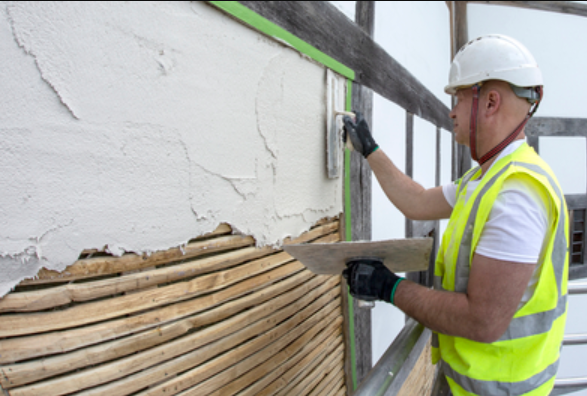
Restoring Heritage Homes with Traditional Lime Techniques in Cheltenham
Introduction
Cheltenham is renowned for its Regency architecture, period townhouses, and historic buildings that require sensitive and knowledgeable maintenance. Modern materials are often unsuitable for these properties, as they can trap moisture and damage original structures. This is where traditional lime-based methods come into play. Lime plastering in Cheltenham and Lime rendering Cheltenham are increasingly sought-after solutions for homeowners who want to preserve the character, breathability, and longevity of their properties while maintaining historical accuracy.
Choosing specialists in Lime plastering in Cheltenham ensures that walls can breathe naturally, helping to regulate moisture and prevent long-term structural issues. Many property owners turn to trusted professionals offering Lime plastering in Cheltenham through services such as Lime plastering in Cheltenham, where traditional craftsmanship is combined with modern expertise to achieve outstanding results.
Understanding Lime-Based Materials in Historic Construction
Lime has been used as a building material for centuries, long before cement became widely available. Unlike modern gypsum or cement-based products, lime is flexible, breathable, and environmentally friendly. This makes it ideal for older buildings commonly found throughout Cheltenham.
Why Lime Is Essential for Period Properties
Historic walls were designed to manage moisture naturally. Lime plastering in Cheltenham supports this by allowing water vapor to pass through walls rather than becoming trapped. This reduces damp, mold growth, and deterioration of masonry. Similarly, Lime rendering Cheltenham protects exterior walls while maintaining permeability, which is vital for traditional brick and stone structures.
Benefits of Lime Plastering in Cheltenham
Breathability and Moisture Control
One of the most significant advantages of Lime plastering in Cheltenham is its breathability. Lime plaster absorbs excess moisture and releases it when conditions dry out, creating a healthier indoor environment and protecting the building fabric.
Flexibility and Durability
Buildings naturally move over time. Lime plastering in Cheltenham offers flexibility that accommodates slight movement without cracking, unlike rigid modern plasters that can fail prematurely.
Authentic Appearance
For homeowners restoring heritage properties, aesthetics matter. Lime plastering in Cheltenham provides a soft, textured finish that complements traditional interiors and maintains historical authenticity.
The Importance of Lime Rendering Cheltenham for Exteriors
Exterior walls face constant exposure to weather. Lime rendering Cheltenham offers a protective yet breathable layer that shields buildings from rain while allowing moisture to escape.
Weather Protection Without Trapping Damp
Unlike cement render, Lime rendering Cheltenham does not seal the wall completely. This prevents trapped moisture, which is a common cause of damp problems in older buildings.
Enhancing Kerb Appeal
In addition to protection, Lime rendering Cheltenham enhances the visual appeal of period homes. The natural finish complements Cheltenham’s architectural heritage and can be finished in traditional limewash colors for an authentic look.
When to Choose Lime Over Modern Alternatives
Many property owners mistakenly believe modern materials are superior. However, for older buildings, this is often not the case.
Signs Your Property Needs Lime Solutions
- Persistent damp patches on internal walls
- Cracking or crumbling cement render
- Peeling paint or salt deposits
- Poor indoor air quality
In such cases, Lime plastering in Cheltenham and Lime rendering Cheltenham are often the most appropriate and long-lasting solutions.
See also: Mastering Software Licensing for Modern Businesses
Sustainability and Environmental Benefits
Lime is one of the most eco-friendly building materials available. The production of lime uses less energy than cement, and lime absorbs carbon dioxide as it cures. By choosing Lime plastering in Cheltenham, homeowners contribute to more sustainable building practices.
Similarly, Lime rendering Cheltenham supports environmentally responsible restoration by extending the life of existing buildings rather than replacing original materials.
Choosing Skilled Craftsmen in Cheltenham
The success of lime work depends heavily on experience and technique. Lime behaves differently from modern materials and requires skilled application. Specialists in Lime plastering in Cheltenham understand correct mixing ratios, curing times, and finishing methods.
Professional teams offering Lime rendering Cheltenham also assess the building’s condition, ensuring compatibility with existing masonry and recommending appropriate finishes for long-term performance.
Long-Term Value of Lime Restoration
Although lime work can appear more expensive initially, it often proves more cost-effective over time. Lime plastering in Cheltenham reduces the risk of damp-related repairs, while Lime rendering Cheltenham protects external walls without causing hidden damage.
By investing in traditional methods, property owners preserve both the structural integrity and historical value of their homes.
Conclusion
Cheltenham’s architectural heritage deserves care, knowledge, and respect. Traditional methods such as Lime plastering in Cheltenham and Lime rendering Cheltenham play a vital role in maintaining the beauty and durability of period properties. These time-tested techniques provide breathability, sustainability, and authentic finishes that modern materials simply cannot replicate.
For homeowners seeking long-lasting, heritage-appropriate solutions, embracing Lime plastering in Cheltenham and Lime rendering Cheltenham is not just a restoration choice—it is an investment in the future of Cheltenham’s historic buildings.