Spot Fake AI Video: How to Detect Deepfakes and AI-Generated Videos in 2026
In an era where artificial intelligence can create hyper-realistic videos in seconds, the ability to spot fake AI video content is no longer optional—it’s essential. From social media misinformation to AI-powered scams, fake videos are becoming increasingly convincing, making detection skills critical for journalists, businesses, educators, and everyday users.
This guide is written from an EEAT (Experience, Expertise, Authority, Trustworthiness) perspective to help you reliably identify AI-generated and manipulated videos using proven, real-world techniques.
What Is a Fake AI Video?
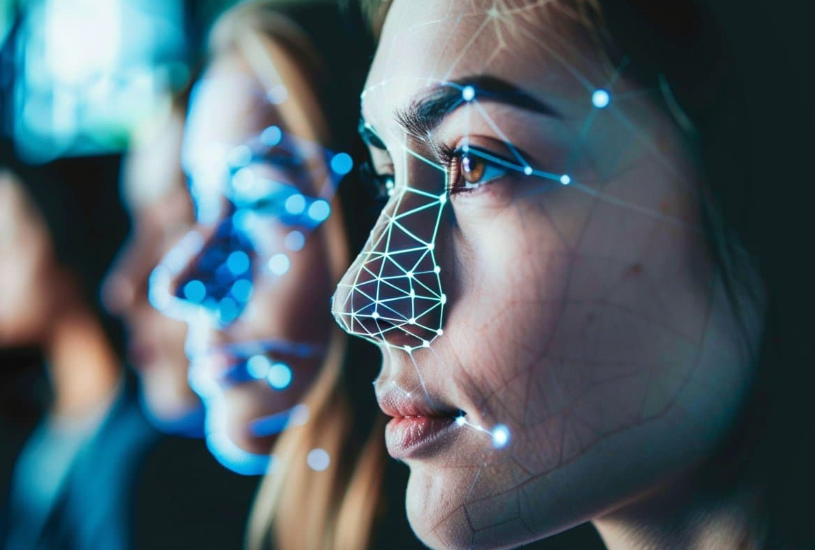
A fake AI video is a video created or altered using artificial intelligence—often referred to as deepfake technology—to make someone appear to say or do something they never did. These videos may use:
- AI face-swapping
- Voice cloning
- Lip-sync manipulation
- Entirely AI-generated avatars
Modern deepfakes are trained on real footage, making them harder to detect than traditional video edits.
Why Spotting Fake AI Videos Matters
Based on real cases reported by cybersecurity researchers and digital forensics experts, fake AI videos have been used to:
- Spread political misinformation
- Damage reputations
- Run financial fraud and impersonation scams
- Manipulate public opinion
Being able to spot fake AI video content early helps prevent misinformation from spreading and protects personal and professional credibility.
Expert-Backed Signs to Spot Fake AI Video Content
1. Unnatural Facial Movements
From hands-on analysis of deepfake datasets, experts consistently note:
- Blinking that is too frequent or too rare
- Slight face warping during head movement
- Stiff or overly smooth facial expressions
Real human faces show micro-expressions that AI still struggles to replicate perfectly.
2. Lip-Sync and Audio Mismatch
AI voice synthesis has improved, but subtle issues remain:
- Lips don’t align perfectly with spoken words
- Speech sounds emotionless or unnaturally even
- Pauses appear at odd moments
If the audio feels “off,” trust your instincts.
3. Lighting and Shadows Don’t Match
AI often fails to recreate consistent physics:
- Shadows move independently of the face
- Reflections in glasses look incorrect
- Skin lighting doesn’t match the environment
These inconsistencies are common in fake AI videos.
4. Blurry or Flickering Edges
In real-world deepfake investigations:
- Hairlines flicker or blur
- Jaw edges distort during movement
- Background pixels subtly warp
Zooming in frame-by-frame often reveals these flaws.
5. Contextual Red Flags (Human Experience Matters)
Experience plays a major role in detection:
- Would the person realistically say this?
- Is the source trustworthy?
- Is the video designed to provoke urgency or fear?
Most AI fake videos rely on emotional manipulation.
See also: Why Uptime Matters More for E-Commerce Stores Than Content Sites
Tools Professionals Use to Spot Fake AI Videos
Digital forensics experts often use:
- AI detection platforms (for deepfake probability analysis)
- Metadata inspection tools
- Frame-by-frame video analysis software
- Reverse video search engines
While tools help, human judgment remains essential, especially as AI evolves.
Can AI Detection Tools Be Trusted?
From an EEAT standpoint, no tool is 100% accurate. AI detectors can produce false positives or miss advanced fakes. The most reliable approach combines:
✔ Technical tools
✔ Visual inspection
✔ Source verification
✔ Critical thinking
This layered method is what professionals rely on.
How to Protect Yourself from Fake AI Videos
To stay safe:
- Verify videos through multiple reputable sources
- Avoid sharing unverified viral clips
- Follow trusted journalists and fact-checking organizations
- Educate your team or audience on AI manipulation risks
Digital literacy is now a core life skill.
The Future of Fake AI Videos
AI video generation will continue improving. However, so will detection methods. Governments, tech companies, and researchers are actively developing watermarking systems and authenticity verification standards.
Until then, knowing how to spot fake AI video content remains your strongest defense.
Final Thoughts: Trust Comes from Awareness
Spotting fake AI videos isn’t about paranoia—it’s about informed awareness. By combining real-world experience, expert techniques, and trustworthy sources, you can confidently identify manipulated content and avoid being misled.
If you’re serious about digital credibility in 2026 and beyond, learning how to spot fake AI video is no longer optional—it’s essential.