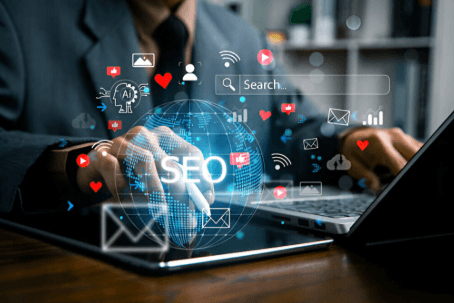

How an AI SEO Agent Helps You Rank Higher with Less Effort
Search engine optimization has always been about combining data, creativity and precision. Yet, as websites and markets expand, managing every technical detail and keyword insight manually has become unrealistic. The more complex SEO becomes, the more teams turn to automation for help.
The rise of AI-powered tools has changed how marketers and specialists approach optimization. Instead of manually checking metrics, exporting reports and running audits, professionals now rely on intelligent systems that monitor, analyze and recommend improvements automatically.
AI doesn’t replace human expertise. Instead, it supports it — providing actionable insights faster than any analyst could collect manually. The result is a faster, smarter and more predictable SEO workflow.
Why SEO Needs an AI Upgrade
Most SEO teams face the same bottlenecks: too much data, too many tools and not enough time. When analysis becomes overwhelming, opportunities are missed and problems go unnoticed until they affect traffic.
A ai seo agent solves this by connecting your analytics, audit and keyword tracking tools into one ecosystem. It constantly monitors performance, identifies anomalies and recommends optimizations in real time. The system doesn’t just collect information — it interprets it, showing where attention is needed most.
See also: Telecom Quality and Regulation Authority
From Manual Checks to Continuous Monitoring
Traditional audits happen once a month or quarter. By the time data is reviewed, rankings may already have changed. AI-driven systems operate continuously, flagging issues such as broken links, indexing errors or declining keyword performance as soon as they appear. This proactive approach keeps websites healthy and rankings stable.
Core Capabilities of an AI SEO Agent
AI agents use machine learning and automation to combine several critical SEO functions under one system.
1. Technical SEO Monitoring
The agent checks for crawl errors, redirects, load times and Core Web Vitals. It prioritizes what needs fixing and provides clear recommendations so developers can act quickly.
2. Keyword and Content Analysis
The agent examines keyword trends, intent clusters and engagement signals to reveal what’s working and what isn’t. This helps marketers refine both targeting and messaging.
3. Competitor and Market Intelligence
By comparing performance against top competitors, the system identifies content gaps and backlink opportunities that might otherwise go unnoticed.
4. Reporting and Alerts
Instead of manually creating presentations, the agent automatically generates clear summaries and visual reports for stakeholders, ensuring transparency and consistency.
How Automation Transforms SEO Operations
Integrating AI into SEO workflows saves time, improves accuracy and creates space for creative experimentation. It standardizes recurring tasks like audits, link tracking and keyword updates, freeing specialists to focus on strategy and content quality.
AI also improves cross-team collaboration. Developers, content creators and marketers share the same real-time data, ensuring everyone works toward the same priorities. This alignment shortens communication loops and increases productivity.
When Businesses Should Adopt AI SEO Tools
Automation becomes essential when:
- The number of tracked pages or keywords exceeds manual capacity.
- Reports take longer to prepare than to interpret.
- Rankings fluctuate unexpectedly between review cycles.
- Teams manage multiple markets or languages simultaneously.
Introducing AI early helps build habits of proactive monitoring before scaling operations further.
Addressing Common Misconceptions
Myth: AI makes SEO too generic.
Truth: AI enhances personalization by analyzing your site’s unique patterns and audience behavior.
Myth: AI replaces SEO teams.
Truth: It amplifies their impact by automating repetitive analysis.
Myth: AI tools are only for large enterprises.
Truth: Even small teams can benefit from automation to reduce workload and speed up decisions.
Measuring Results and ROI
Businesses can track the impact of AI-driven SEO through measurable metrics like:
- Reduced audit time per site
- Improved keyword stability
- Faster issue resolution
- Increased organic traffic and conversions
Consistent tracking proves the value of automation and supports continued investment.
Implementation Roadmap
- Connect GA4, GSC and crawling tools to your AI platform.
- Define monitoring priorities and alert settings.
- Review AI recommendations weekly and adjust thresholds.
- Gradually expand automation to content and link management.
- Benchmark results quarterly to evaluate growth.
This phased rollout ensures steady adoption and minimal disruption.
Conclusion
Modern SEO is a data-heavy discipline that demands speed and accuracy. Manual methods no longer deliver consistent results at scale. A ai seo agent unifies audits, keyword tracking and reporting into one smart system that works continuously in the background. It empowers teams to focus on strategy, creativity and user experience while automation handles the rest — the perfect partnership between human insight and machine efficiency.